Why Enterprise VR Runs on Hololight
Hololight is the only complete, independent enterprise XR streaming infrastructure on the market. That means proprietary pixel streaming technology plus a full enterprise management platform, deployable on-premise, in the cloud, or in air-gapped environments. No third-party engine. No hardware lock-in.
THE CHALLENGE
Enterprise VR Fails at Scale Without the Right Infrastructure
Most enterprise VR programs hit the same three walls. Standalone headsets cannot render large industrial models at the fidelity that defense, engineering, and design workflows require. Sensitive data (CAD assemblies, digital twins, classified schematics) cannot safely live on a shared mobile device. And pilots that work in a controlled lab fail when scaled to a real workforce across multiple sites and headset types.
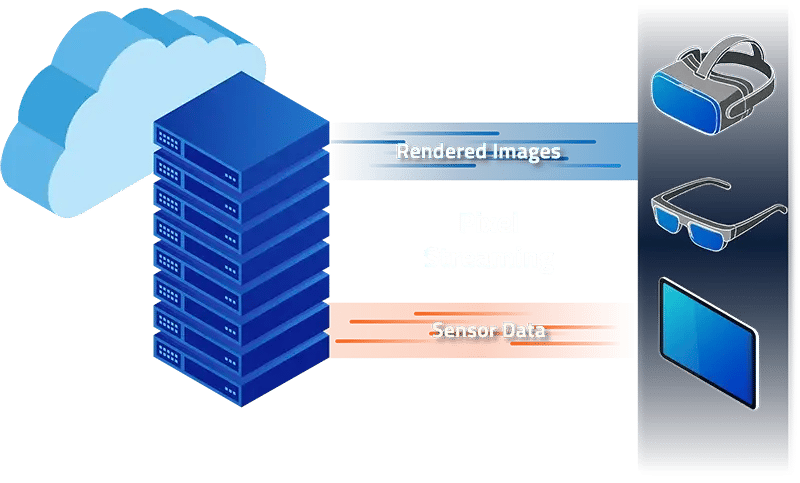
These are not headset problems. They are infrastructure problems. Pixel streaming removes those walls by moving rendering off the device and keeping all data inside your own infrastructure. The headset becomes a display; the application, the data, and IT controls stay where they belong: on your servers. And because the headset is only a display, the same infrastructure serves both VR and AR, so the device you choose today never limits you tomorrow.
That is the architecture Hololight has been building since before the enterprise VR market was ready for it.
HOW IT WORKS
How Pixel Streaming Makes Enterprise VR Work
Pixel streaming removes the compute and security limitations of standalone headsets with a three-step architecture. The application stays on your servers; only the visual output reaches the device.
Your Application Runs on Your Infrastructure
The XR application executes and renders on a GPU server inside your own environment. All data stays on your servers. Nothing leaves your network boundary.
✓ Full-fidelity visualization of complex industrial data, with no device compute limitation.
Only Pixels Are Transmitted
The server renders the visual output and transmits only the resulting pixels to the headset over an encrypted connection. No 3D geometry, application data, or files of any kind cross the network.
✓ Your existing security posture is maintained across every endpoint.
The Headset Displays the Result
The headset decodes the pixel stream and displays the rendered image at full fidelity. When the session ends, nothing remains on the device.
✓ One application runs on any supported headset, with no device-specific rebuilds required.
See Enterprise VR Working With Your Own Data.
The limitations of standalone headsets become obvious the first time a team sees their actual industrial models running at full fidelity from their own infrastructure.
THE PROPRIETARY STACK
A Complete, Proprietary Stack. No Third-Party Engine in the Critical Path.
Most enterprise VR streaming solutions sit on top of a third-party streaming platform, primarily NVIDIA CloudXR. That dependency creates a structural limit. The core of your system is controlled by an outside vendor's technology and roadmap, not by you.
Hololight built its own stack, and every layer is proprietary.
No third-party streaming platform, no forced cloud dependency in the critical path. That independence is what makes the capabilities below possible.
Hololight Stream:
Pixel Streaming Technology
Hololight Stream is Hololight's proprietary pixel streaming layer. Any OpenXR-compatible application runs on a server inside your infrastructure, from Autodesk VRED and NVIDIA Omniverse to your own Unity or Unreal Engine builds. Server-side rendering is fully optimized to make use of your NVIDIA RTX GPUs. Only the resulting pixels are transmitted to the headset over an encrypted connection. No 3D geometry, application data, or files of any kind cross the network.
It is not built on NVIDIA CloudXR or any other third-party streaming engine. The streaming technology is developed entirely in-house, independent of any external vendor.
Hololight Hub:
Enterprise Management Platform
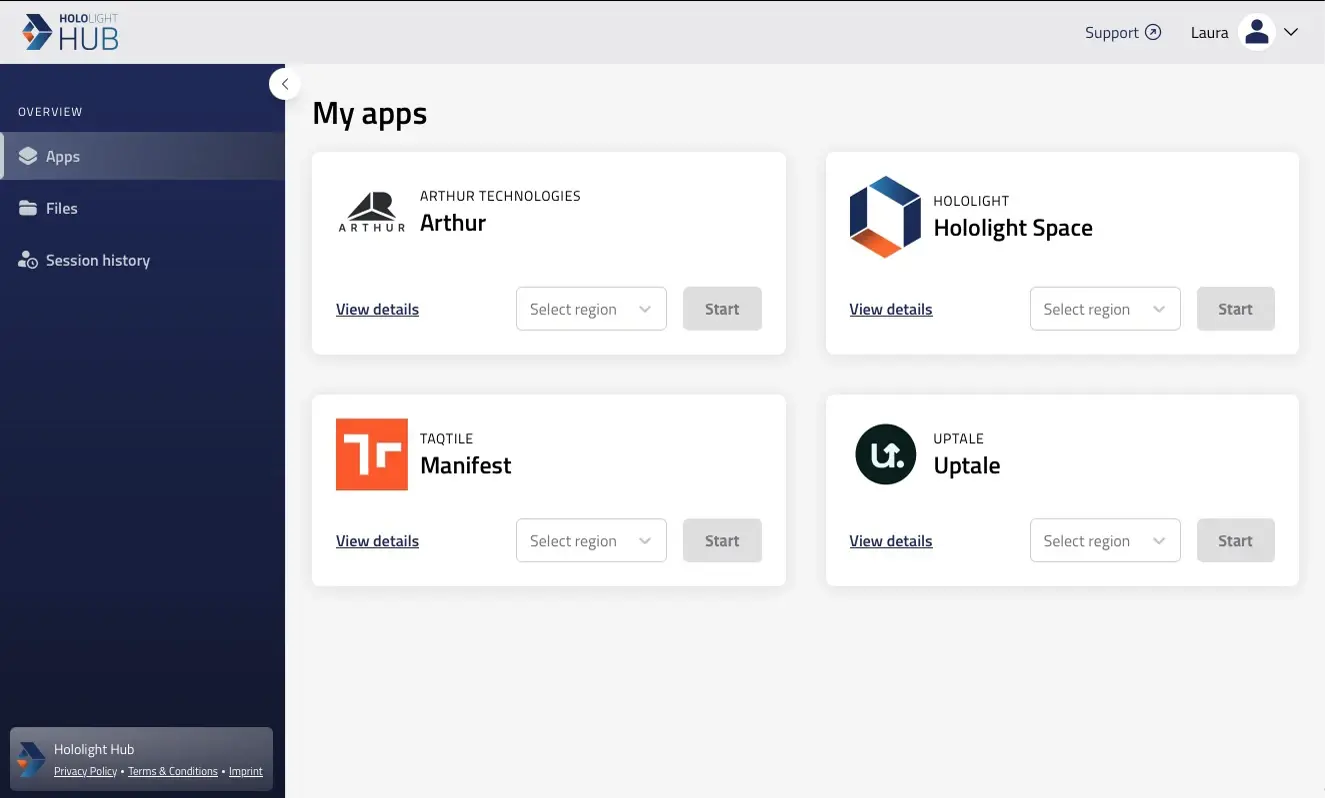
Hololight Hub is the enterprise operations layer built on top of Hololight Stream. From a single interface, IT administrators manage user access, application catalogs, device inventory, and active session monitoring. They also handle update distribution and operational reporting across all sites.
Hololight Hub deploys on your own infrastructure, in the cloud, or in a fully air-gapped environment where no internet connectivity is permitted. New headset models integrate without rebuilding applications. New users launch any application in the catalog with one click.
Hololight Stream SDK and Runtime:
How Applications Get Onto the Stack
Hololight Stream works two ways. Ready-made OpenXR applications stream through Hololight Stream Runtime, with no changes to the application itself. Teams building their own XR applications in Unity or Unreal Engine integrate Hololight Stream SDK into their project, which makes them streamable to all supported headsets without platform-specific builds. With the SDK, developers can also test on a headset straight from the engine editor, skipping separate test builds.
Together, Hololight Stream and Hololight Hub form the only complete, independent enterprise XR streaming infrastructure developed and owned by a single company. No other vendor provides both layers as a unified, integrated solution.
CERTIFICATIONS AND STANDARDS
Certified. Standards-Compliant. Built for Defense-Grade Environments.


Native OpenXR Support
Hololight natively supports OpenXR, the industry-standard API for cross-platform XR development, across all major platforms. Any OpenXR-compatible application streams to any supported headset through Hololight without modification. No device-specific builds, no platform migration work.
Air-Gapped Deployment
Hololight Hub deploys in fully air-gapped environments: no internet connectivity required, no third-party server communication, no data leaving your network boundary. Air-gapping is a hard procurement requirement in defense and regulated industries, and Hololight supports it as a built-in capability of its architecture rather than a custom build.
Supported Devices
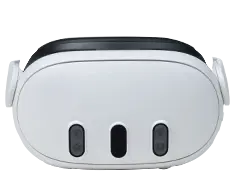
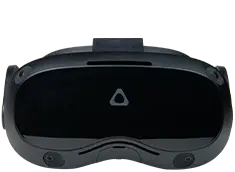
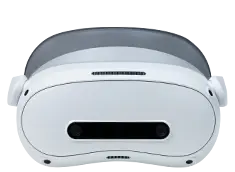
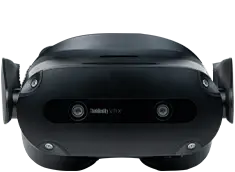
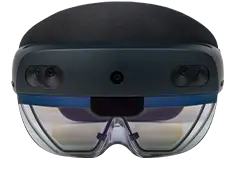
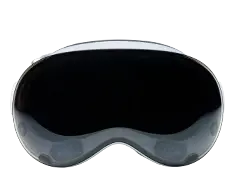
Hololight is device-agnostic by design. One application streams without modification to Apple Vision Pro, Meta Quest, PICO 4 Ultra Enterprise, HTC Vive Focus, Snap Spectacles, and Microsoft HoloLens 2. When new headsets enter the market, your applications and workflows continue without rebuilding.
See Enterprise VR Running in a Defense-Grade Environment.
White paper link
STRATEGIC PARTNERSHIPS
Partners That Extend the Platform Without Creating Dependency
Hololight's independence from any single hardware or software vendor is what makes its partnerships meaningful.
Because the streaming layer is proprietary, integration with any ecosystem is an addition, not a dependency.
Infrastructure and Hardware Partners
Hololight integrates with NVIDIA Omniverse and participates in the NVIDIA Project Aurora ecosystem. Hololight's streaming technology is fully optimized for NVIDIA RTX GPUs for server-side rendering. It does not depend on NVIDIA CloudXR.
Hololight's pixel streaming technology supports Snap Spectacles as a first-class streaming client for enterprise AR workflows.

Apple Vision Pro is fully supported as a streaming endpoint. Enterprise teams stream design reviews, visualization sessions, and training workflows directly to Vision Pro.
HTC Vive enterprise headsets, including the Vive Focus series, are supported across Hololight's platform.

Hololight has partnered with MIFCOM to deliver a ready-to-deploy enterprise VR streaming hardware package. It combines Hololight Hub with MIFCOM's compact, water-cooled GPU workstations. Deployments start at 8 concurrent XR user sessions and scale to server-rack configurations. Organizations receive a pre-configured, testable infrastructure without building a GPU server environment from scratch.
Defense Application Partners on Hololight Hub
Hololight Hub serves as the deployment infrastructure for a growing ecosystem of defense and enterprise XR applications.
These ISV partners stream their applications through Hololight's platform, extending the use cases available to defense and aerospace organizations.
Situational awareness and mission planning platform for defense, homeland security, and smart city markets. Streams complex 3D workflows and real-time operational data to a wide range of AR devices via Hololight Stream.
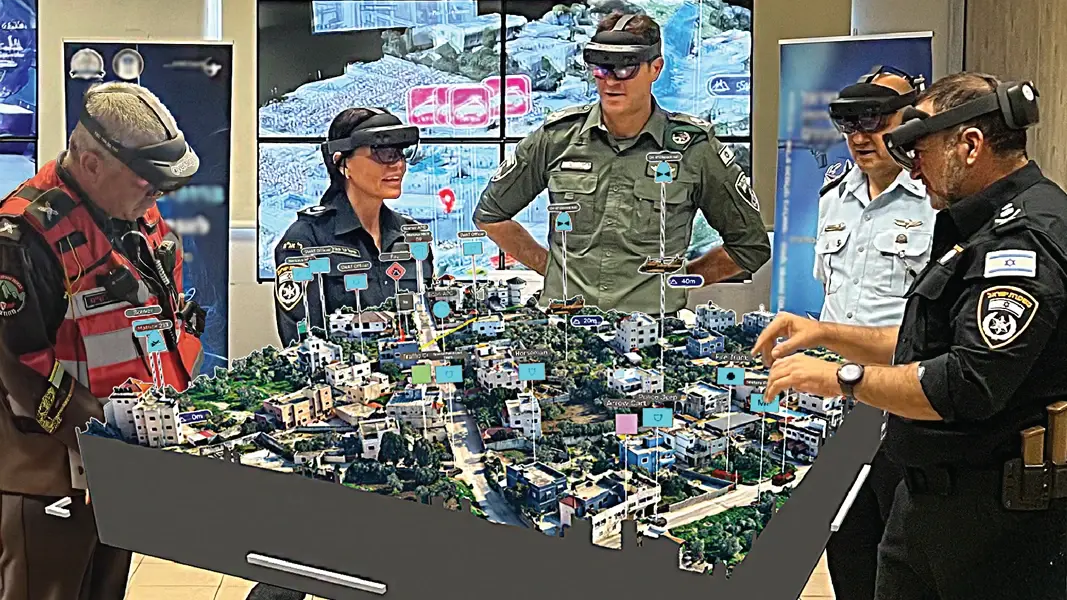

Manifest
Spatial work instruction platform for maintenance, inspection, and training workflows. Integrates with Hololight Hub to deliver centralized, streaming-based task guidance in the field.
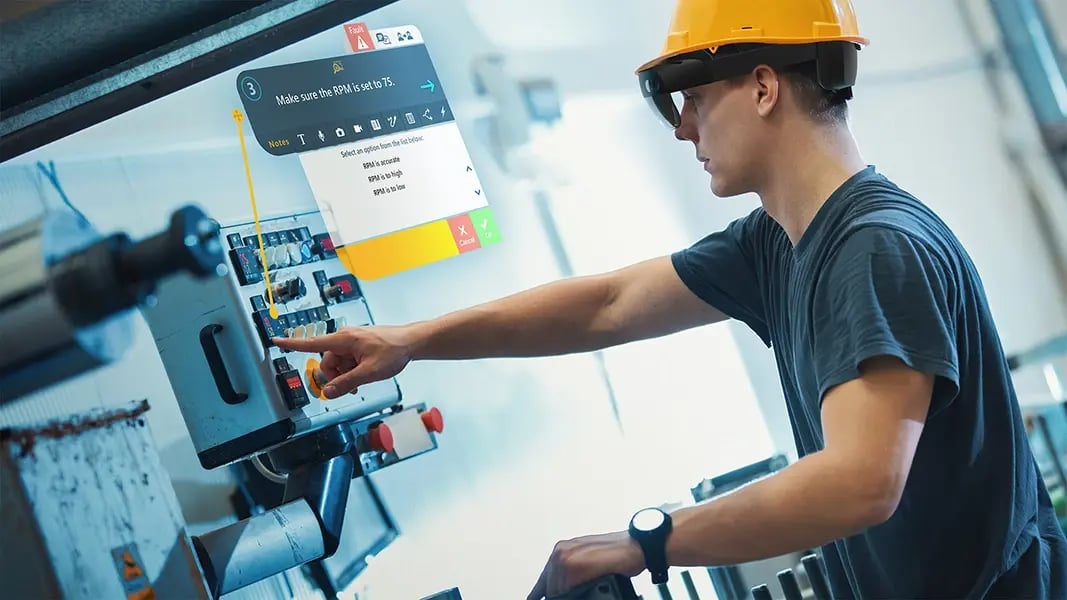

MOTAR
Dynepic's secure "platform of platforms," fielded as MOTAR® for the US defense market, integrates with Hololight Stream to deliver high-fidelity XR streaming of complex 3D content and immersive training to any device, anywhere.
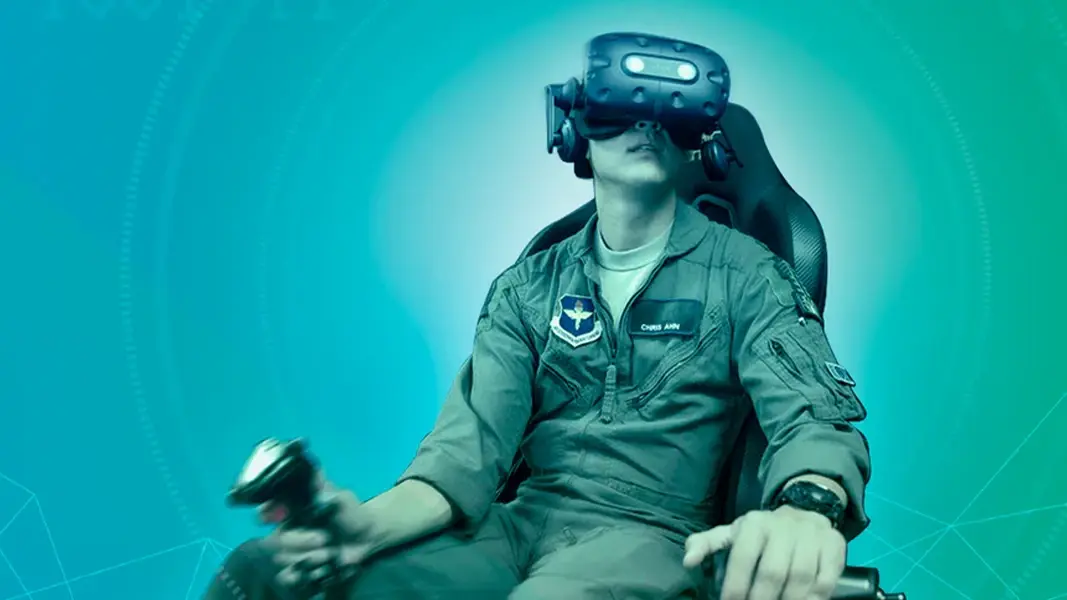

ACOP
Hensoldt's ACOP (Augmented Common Operational Picture) delivers a real-time, interactive 3D battlefield view to AR headsets such as Apple Vision Pro and Microsoft HoloLens, letting up to 20 users collaborate live on the same operational picture with seamless integration into existing command systems.
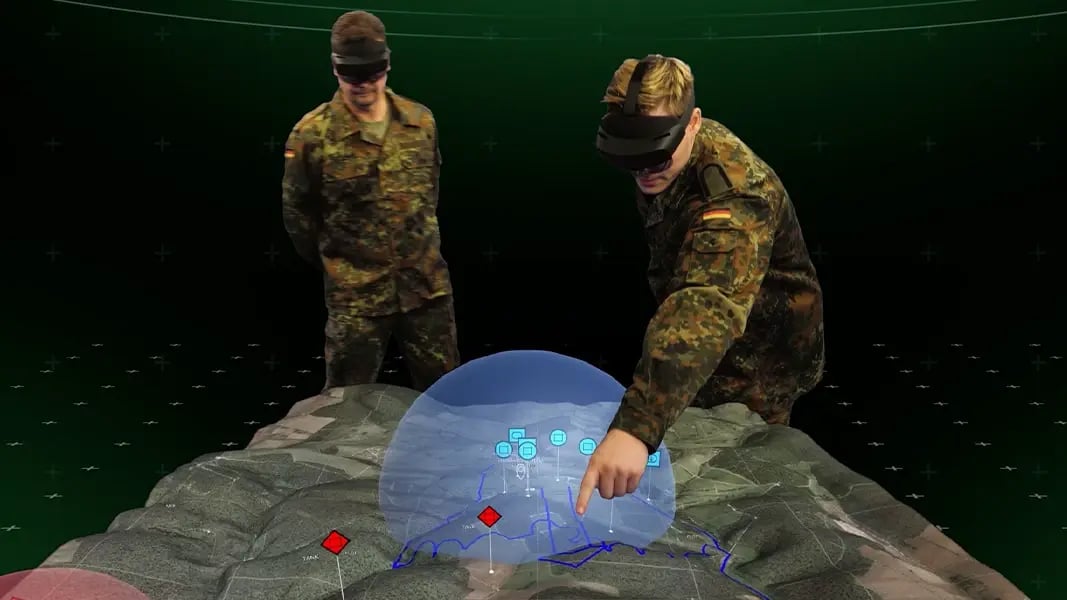
Ready to See What Hololight Runs in Production?
PROVEN ENTERPRISE DEPLOYMENTS
Not Evaluations. Active Daily Operations.
The organizations below are not running proofs-of-concept. They run Hololight in daily production workflows, in some of the most demanding industrial and defense environments in operation today.
The same streaming infrastructure powers both VR and AR, from a single deployment.
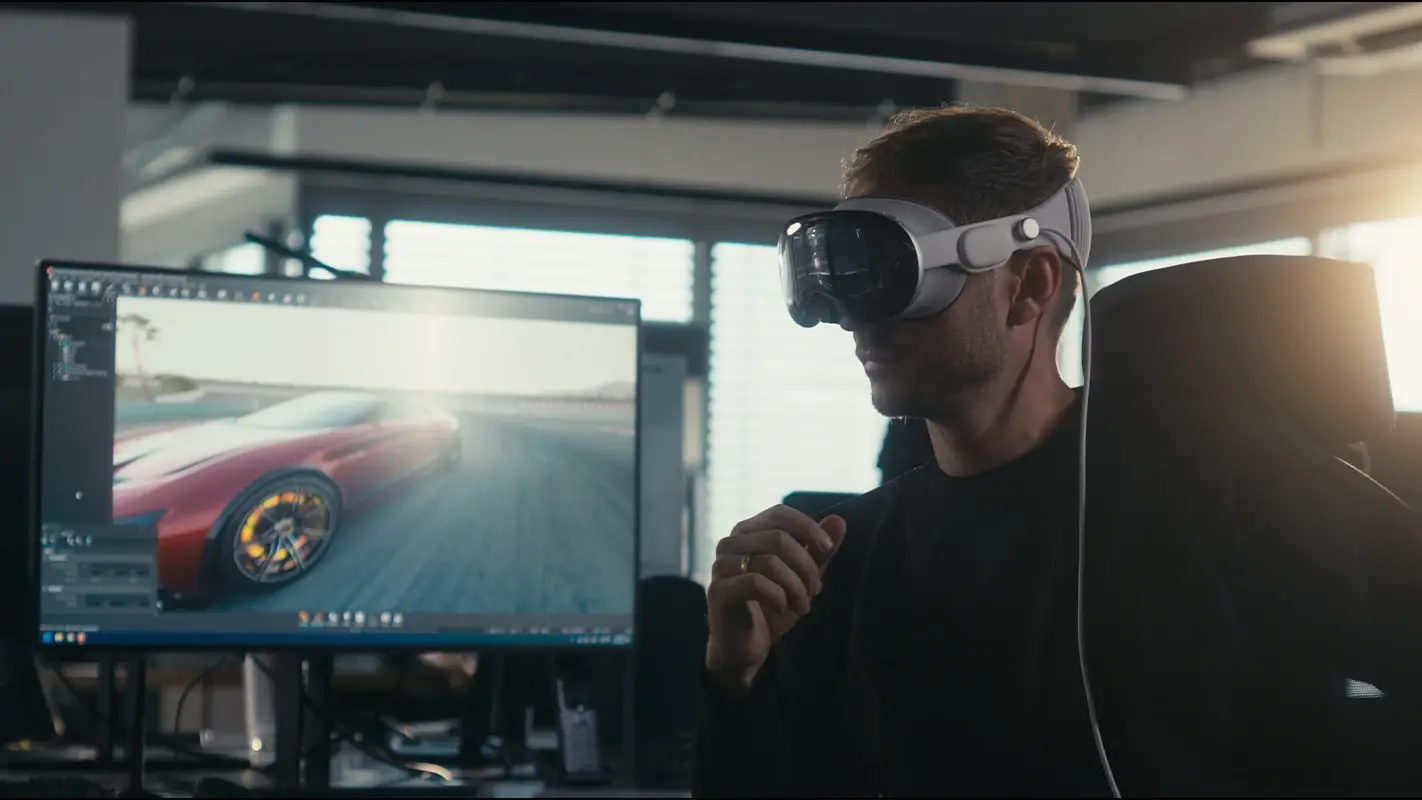
Automotive
AR-guided design reviews and prototyping, reducing physical prototype dependency across vehicle development cycles.
Automotive
Hololight Stream Runtime is a standard part of Genesis's production design workflow. Autodesk VRED streams to multiple headsets simultaneously for collaborative design review.
"For us, Hololight Stream Runtime is more than just a tool. It has become a standard in our design process."
— Alexander Makush, Project Lead, Genesis Design Studios

![]()
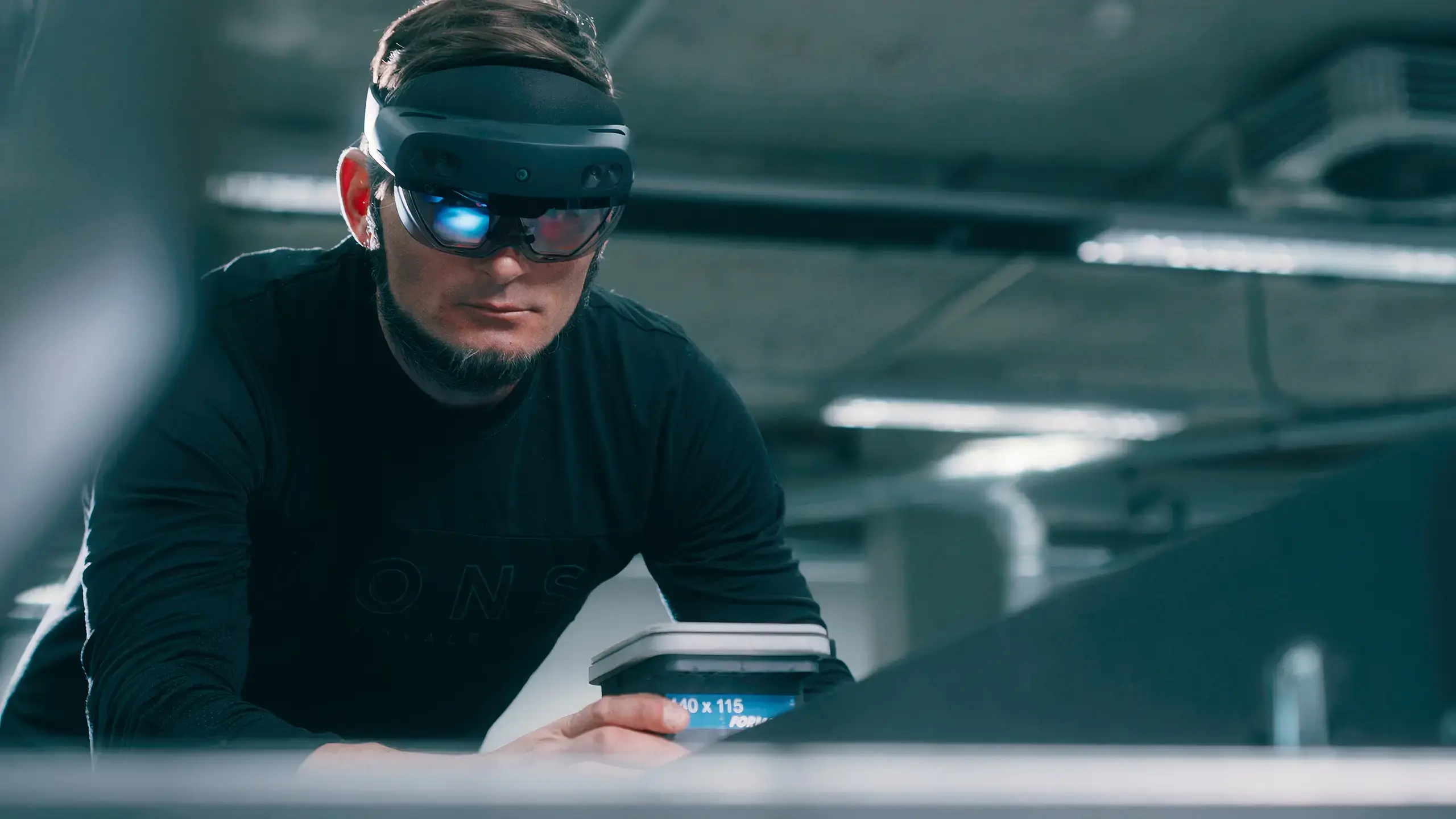
Manufacturing
$5,000–$10,000 saved per prototype.
Time-to-market reduced by 3–6 months. Global design reviews run in AR, eliminating physical mockups and international travel for sign-off.
![]()
Manufacturing
Batch-size-1 custom CNC production enabled through AR-guided workpiece positioning, streaming complex cutting-path data from a local server to the operator's headset in real time.
"The streaming technology is the key. If this wouldn't work perfectly, nobody would use it."
— Armin Brucic, Head of Software Development and Application Engineering, Felder Group
Manufacturing and Energy
Engineering visualization and quality assurance integrated into AR operations since 2019.
![]()
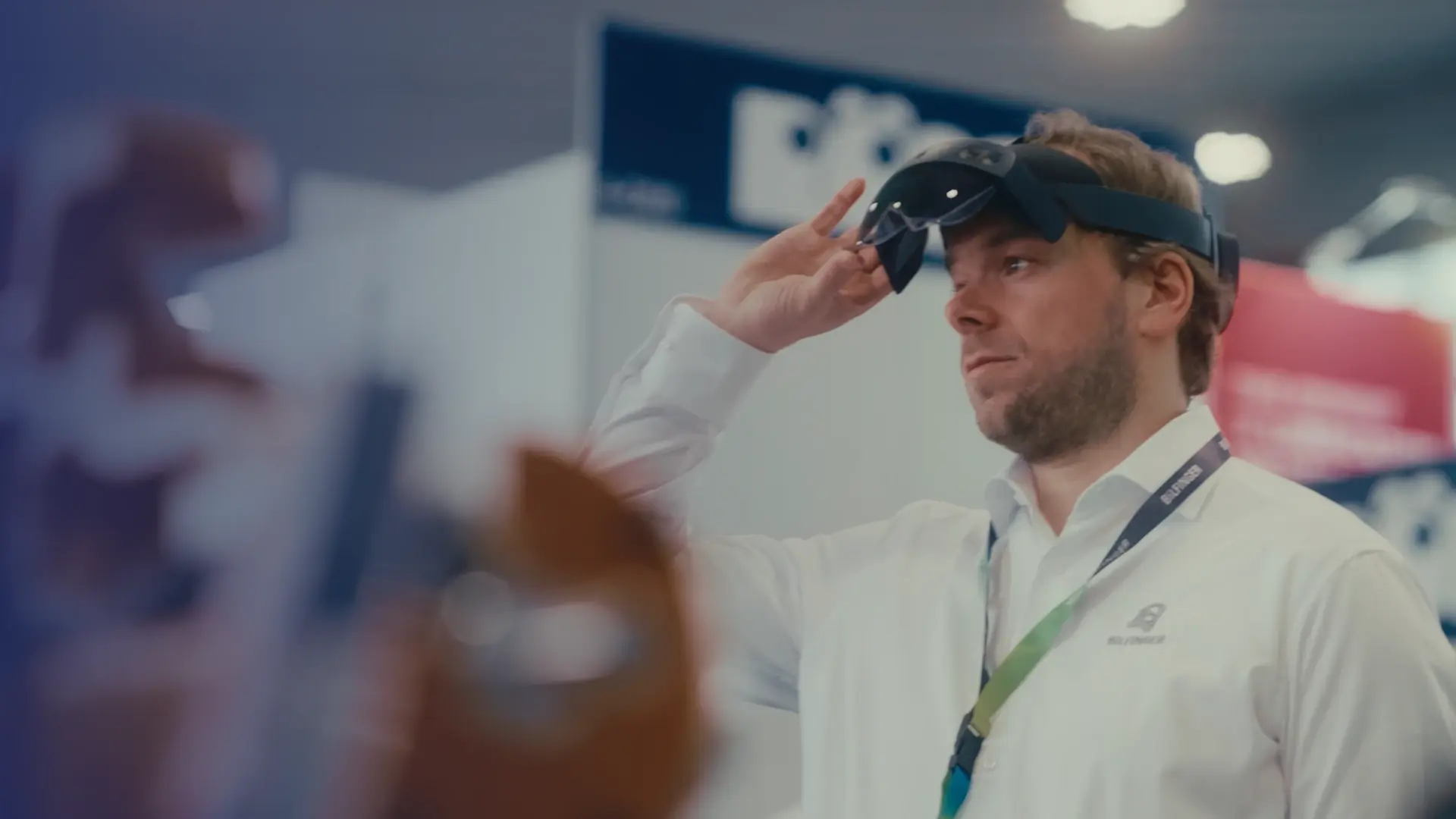
Industrial Engineering
Industrial plant design and brownfield project planning at 1:1 scale, eliminating spatial errors before construction begins.
"Our planning becomes easier, faster, and more precise. With Hololight Space, we can visualize elements that often remain hidden."
— Tobias Bauchrowitz, Head of Engineering, Bilfinger

The cooperation with Hololight is always constructive, friendly, and goal-oriented. My ideas are well received, and the team considers and implements them according to our individual requirements.
This is only possible with the streaming technology by Hololight. The streaming technology is the key. If this wouldn't work perfectly, nobody would use it.
For us, Hololight Stream Runtime is more than just a tool. It has become a standard in our design process.
Hololight Space is a game changer for us. Our planning becomes easier, faster, and more precise. With Hololight Space, we can visualize elements that often remain hidden, significantly increasing transparency.
WHY HOLOLIGHT
Five Reasons Enterprise VR Programs Choose Hololight.
The only complete independent infrastructure stack.
Hololight is the only company offering both a proprietary streaming technology and a full enterprise management platform as one integrated solution. Hololight Stream handles the rendering layer; Hololight Hub handles the operational layer. Together they form a managed IT system for enterprise VR, not a demo tool.
Your data never leaves your infrastructure.
The pixel streaming architecture keeps all application data, 3D files, and sensitive models server-side at all times. The headset receives only the rendered pixels. When the session ends, the device holds nothing. This maintains your existing data security posture rather than requiring you to build a new one around a shared mobile device.
Device-agnostic by design.
One application streams to any supported headset without modification or rebuilding, across both VR and AR devices. When new hardware enters the enterprise market, your existing workflows continue without disruption. Hololight supports Apple Vision Pro, Meta Quest, PICO 4 Ultra Enterprise, HTC Vive, Snap Spectacles, and Microsoft HoloLens 2 from a single deployment.
Built for the hardest environments first.
Air-gapped deployment, full on-premise operation, and zero cloud dependency are built into the architecture. Defense and regulated organizations do not need to ask whether Hololight can meet their hard requirements. The platform was designed around them. Hololight's streaming technology is already part of defense work at Lockheed Martin Skunk Works, through an ongoing collaboration.
Proven in production, not pilots.
BMW, LNS Group, ENGIE Refrigeration, Felder Group, and Bilfinger are using Hololight in daily production use. Enterprise VR procurement requires an implementation track record. Hololight has one.
FAQ
Frequently Asked Questions About Enterprise VR with Hololight
-
Is Hololight built on NVIDIA CloudXR?
No. Hololight's pixel streaming technology is built and owned entirely by Hololight, independent of NVIDIA CloudXR or any third-party streaming engine. Server-side rendering is fully optimized for NVIDIA RTX GPUs, while remaining able to leverage other GPUs as well. Hololight also integrates with NVIDIA Omniverse. This independence is what enables full on-premise and air-gapped deployment, a capability that solutions dependent on a cloud-hosted third-party engine cannot replicate.
-
What makes Hololight different from other enterprise VR platforms?
Hololight is the only company offering both a fully proprietary streaming technology and a complete enterprise management platform in one integrated solution. Other platforms either provide a streaming-only capability without an enterprise management layer, or build on third-party engines that limit deployment flexibility. Hololight Stream and Hololight Hub together form a complete IT system for VR for enterprise: streaming, deployment, access control, device management, and operational oversight at scale. No other vendor provides both a proprietary streaming technology and a full enterprise management platform as one integrated solution.
-
How does Hololight handle enterprise VR data security?
Hololight's pixel streaming architecture ensures all data remains server-side at all times. The application and all associated files execute and render inside your own infrastructure. Only the resulting, encrypted pixels are transmitted to the headset. When a session ends, the device holds nothing, and your existing security posture is maintained throughout.
-
Which enterprise VR headsets does Hololight support?
Hololight is device-agnostic by design. A single application streams to Apple Vision Pro, Meta Quest (all current enterprise models), PICO 4 Ultra Enterprise, HTC Vive Focus, Snap Spectacles, and Microsoft HoloLens 2 without modification. Adding a new headset model to your deployment does not require rebuilding your applications or changing your infrastructure. The same holds across device types, so a VR deployment today can extend to AR as your use cases evolve, with no rework.
-
Can Hololight support enterprise VR in an air-gapped or classified environment?
Hololight supports any OpenXR-compatible application, including those built with Unity and Unreal Engine, along with professional 3D software such as NVIDIA Omniverse, Autodesk VRED, and KeyShot. OpenXR-compatible applications are immediately streamable with Hololight. For custom-built applications, integrating the Hololight Stream SDK makes them streamable in the same way. Either path delivers the application to all supported AR and VR headsets, with no device-specific builds required. Developers testing with the Hololight Stream SDK can connect their headset directly from the engine editor, eliminating the need for separate test builds.
-
What infrastructure does enterprise VR with Hololight require?
Hololight runs on GPU-equipped servers or workstations inside your existing infrastructure. Server-side rendering means the investment is in compute capacity, not per-device hardware. A single server supports multiple concurrent headsets and multiple applications simultaneously, so one infrastructure investment serves your entire VR enterprise program. Hololight has also partnered with MIFCOM to provide a pre-configured hardware package. It starts at 8 concurrent XR sessions and reduces the complexity of the initial infrastructure build.
-
Which 3D applications and engines does Hololight support for enterprise VR?
Hololight supports any OpenXR-compatible application, including those built on Unity, Unreal Engine, NVIDIA Omniverse, Autodesk VRED, and KeyShot. A single Stream SDK integration makes any supported application immediately streamable to all major AR and VR headsets. No device-specific builds are required. Developers testing with the Stream SDK can connect directly from the engine editor in a headset, eliminating the need for separate test builds.
-
How does enterprise VR streaming compare to standalone headset deployments?
Standalone headsets render applications on-device, which limits visual fidelity, creates data security risk, and requires per-device application management. Hololight's pixel streaming architecture offloads all rendering to servers inside your infrastructure and transmits only pixels to the headset. The result is full-fidelity visualization of industrial data, no sensitive files on mobile devices, and centralized IT management across all headsets and applications. The headset becomes a commodity display, not a performance or security bottleneck.
CONTACT US
Enterprise VR Infrastructure That Works the First Time.
The infrastructure decision for enterprise VR is best made before a pilot becomes a production deployment, not after it stalls.
Hololight is the only complete, independent enterprise XR streaming infrastructure on the market.