








Spatial Computing Platform for Enterprise XR Streaming
Hololight is the enterprise infrastructure layer for XR. Our spatial computing platform combines pixel streaming with centralized orchestration so organizations can deploy demanding AR and VR applications, give users controlled access, and oversee usage across devices, locations, and teams.
Any app. Any supported device. One integrated solution for enterprise XR.
FEATURES
Deploy and Manage Enterprise AR & VR Applications from One XR Streaming Platform
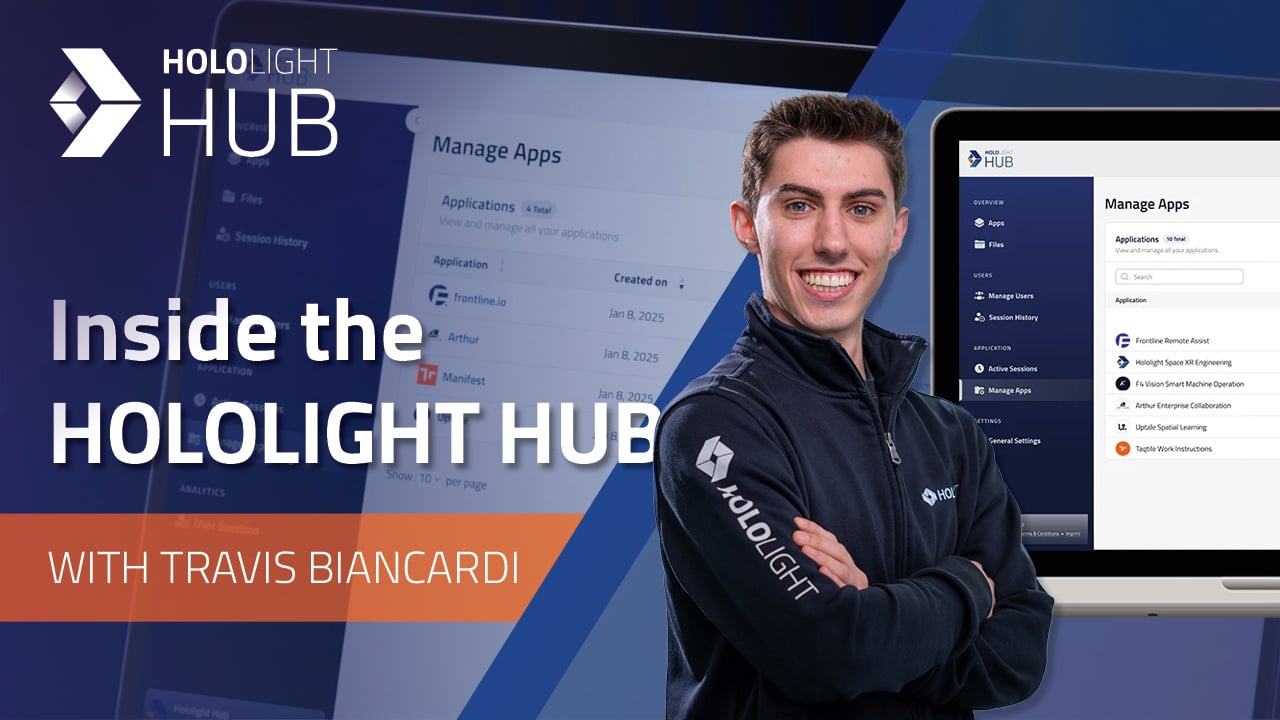
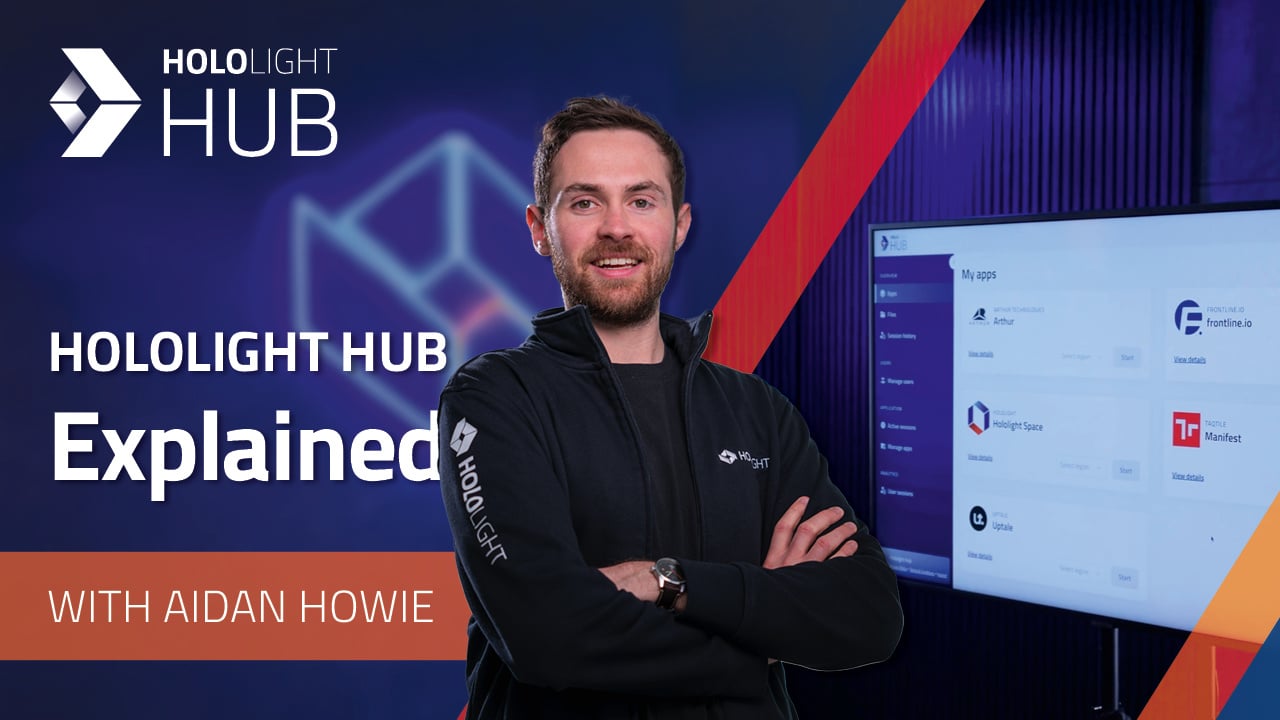
Hololight Hub is Hololight’s central platform for XR Applications.
Hololight Hub and Hololight Stream work together as one integrated solution: Hub gives IT teams a central place to deploy applications, manage access, and oversee sessions, while Stream delivers the pixel-streaming infrastructure that connects those applications to supported AR and VR devices.
IT teams gain full control over devices, applications, and resources, with streamlined updates, deployments, and analytics for easier management and reduced workloads.
Deploy Hololight in the cloud, on-premises, or in air-gapped environments, depending on your organization’s infrastructure and data-handling requirements. Applications run on your existing servers, workstations, or centralized infrastructure; only rendered pixels are sent to the device.

Central Admin Control
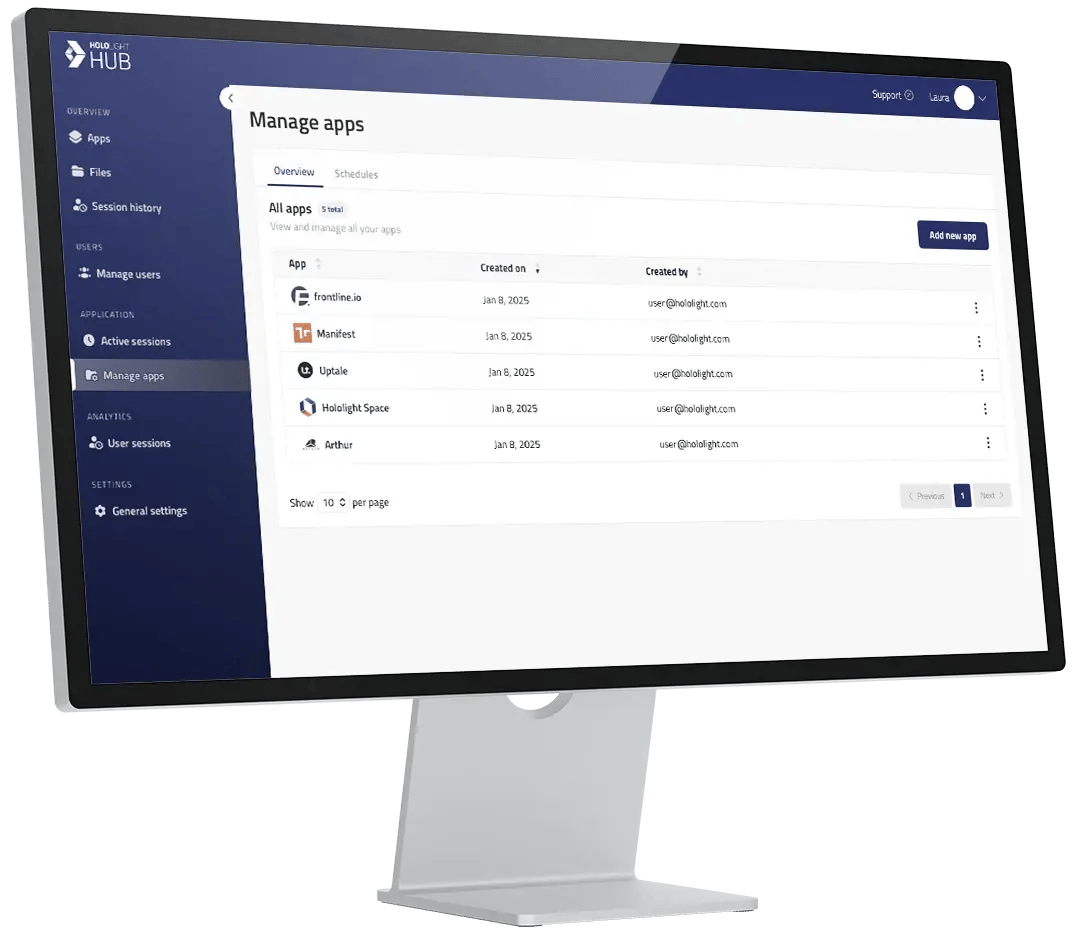
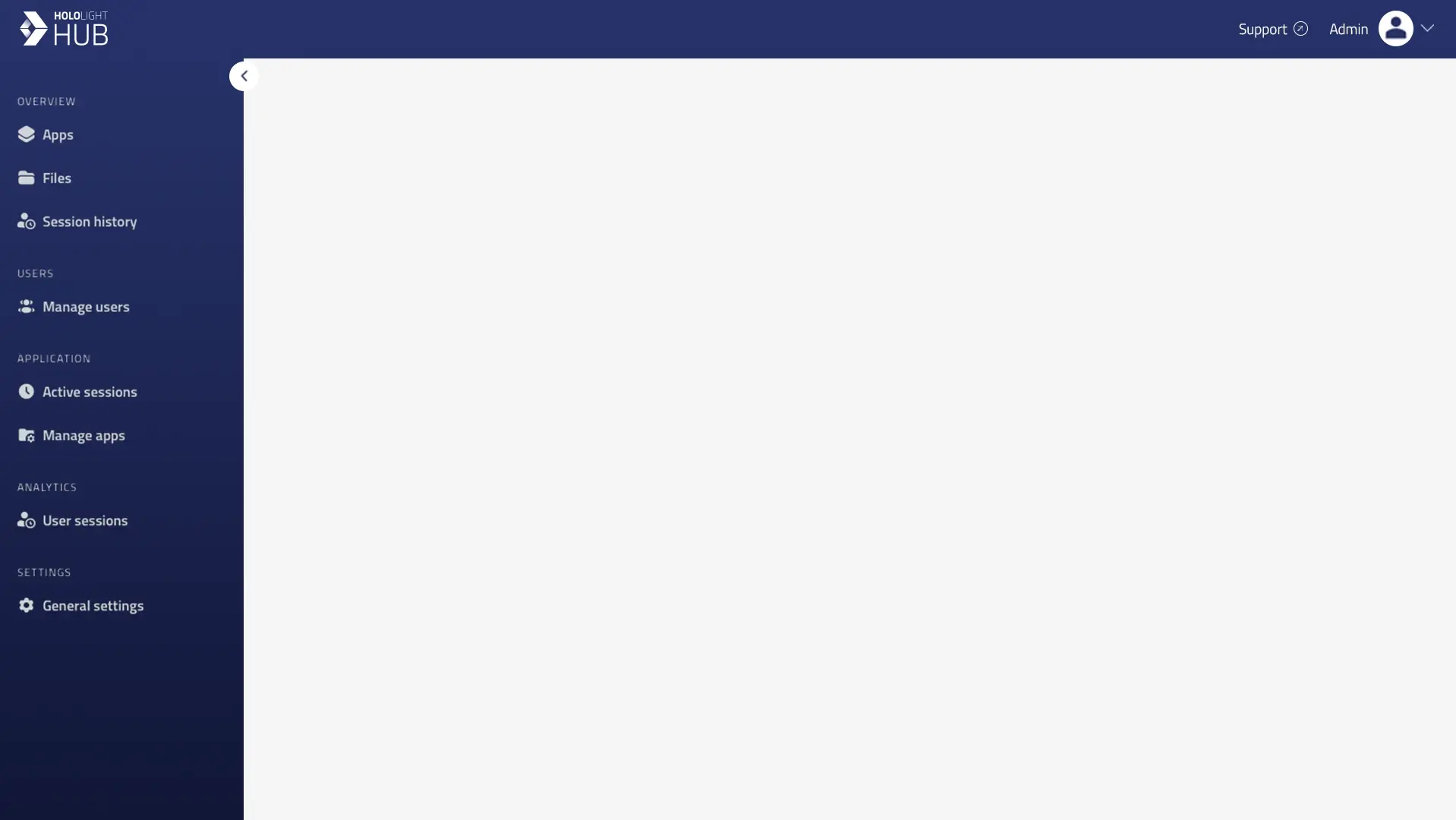
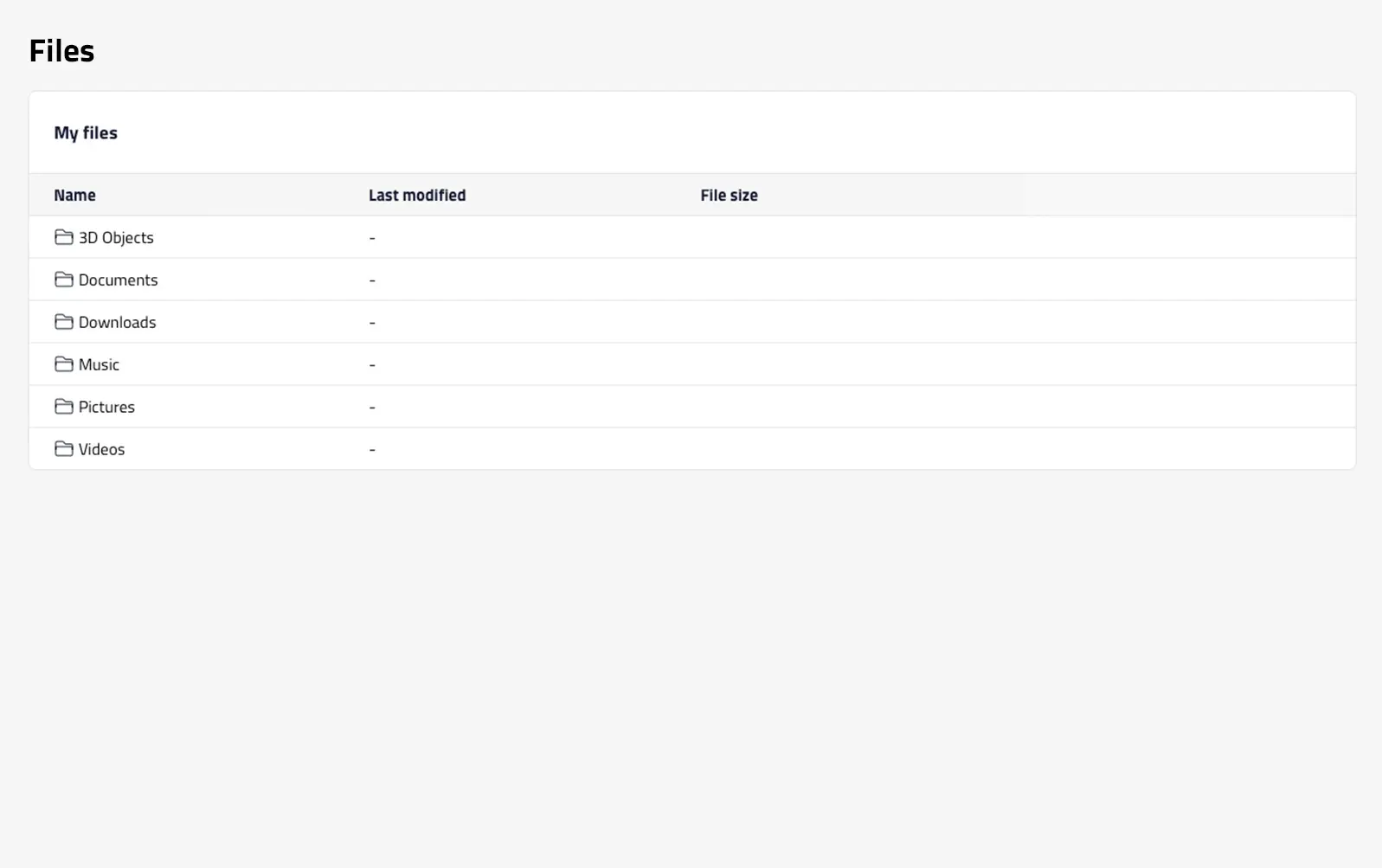
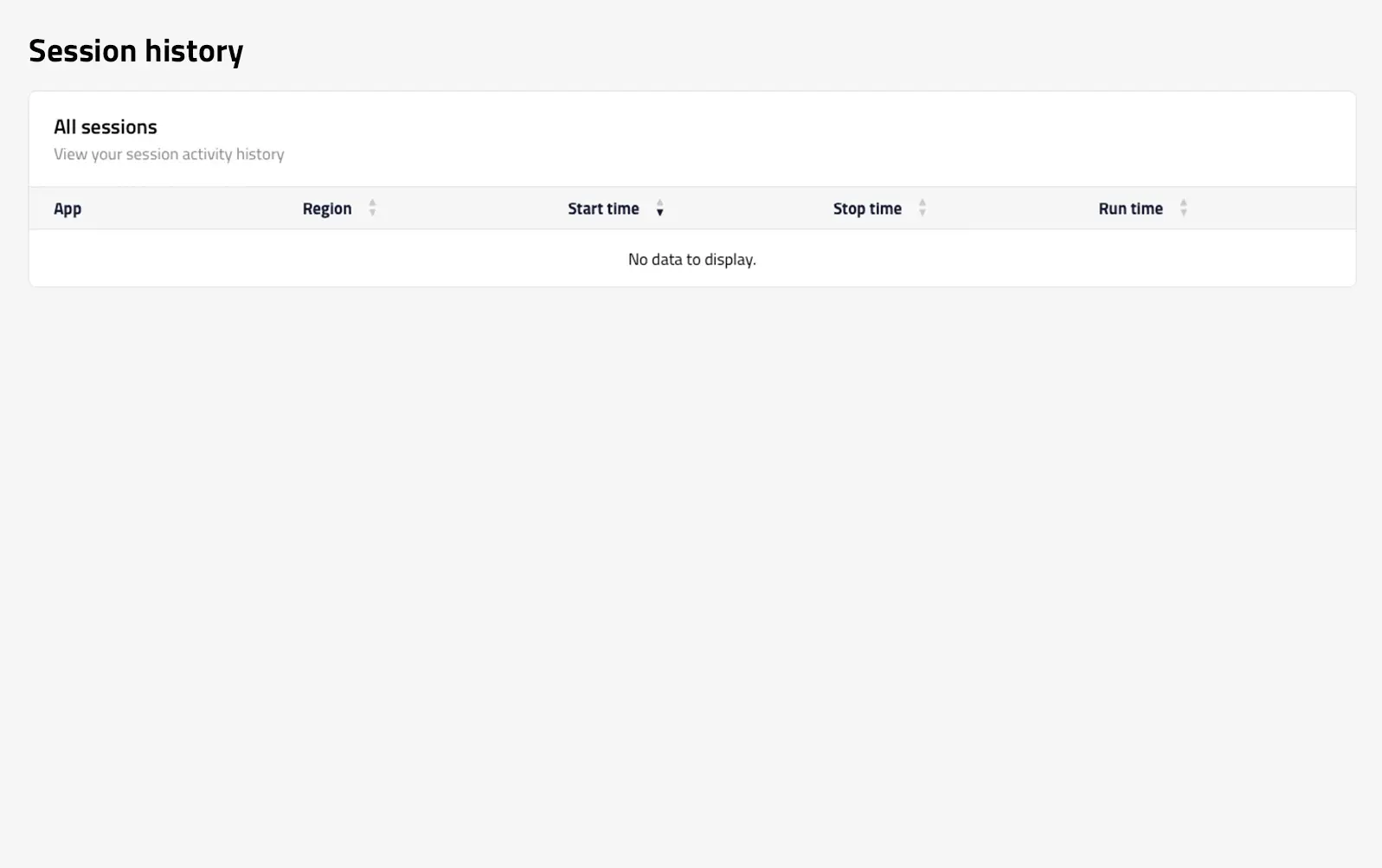
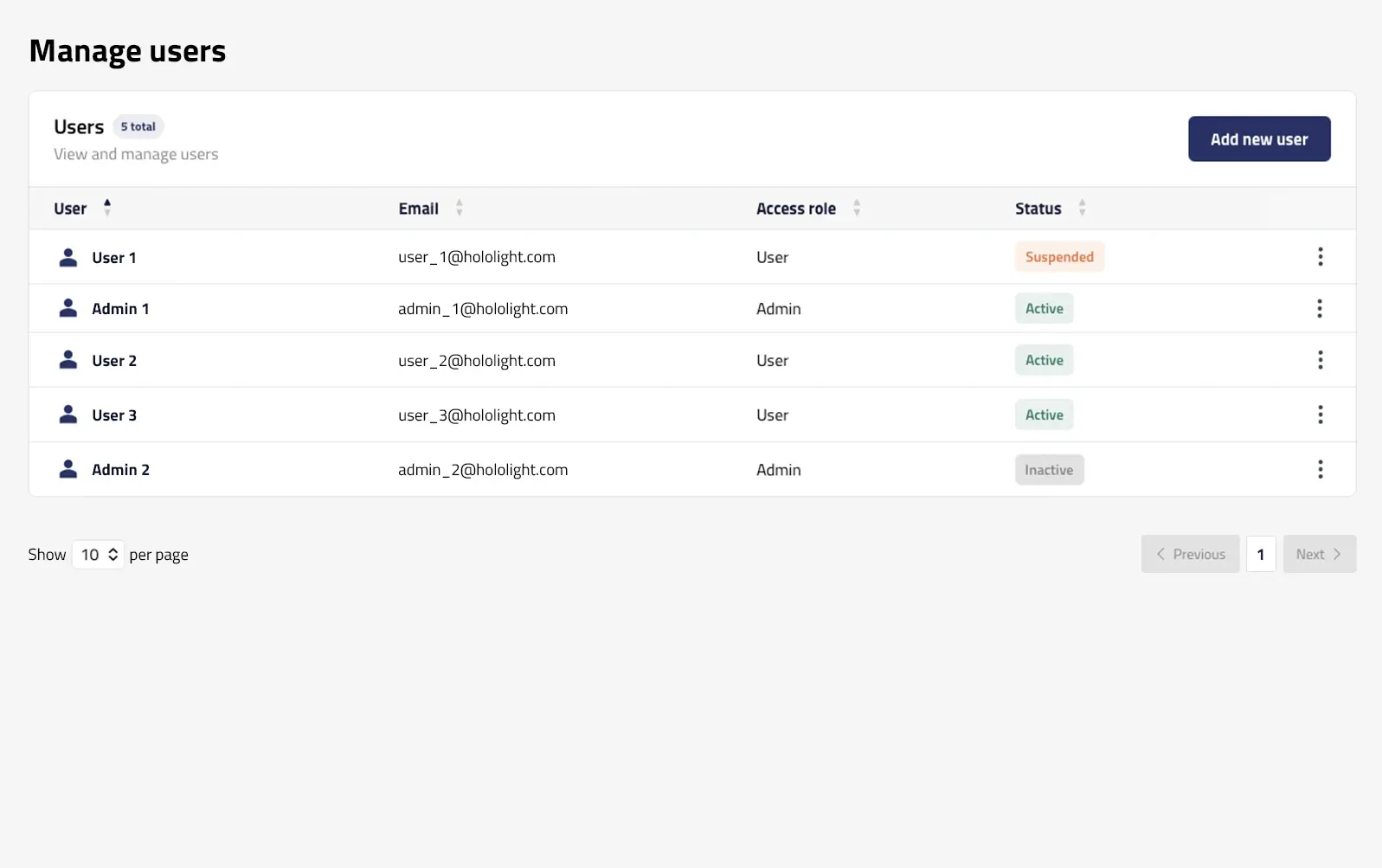
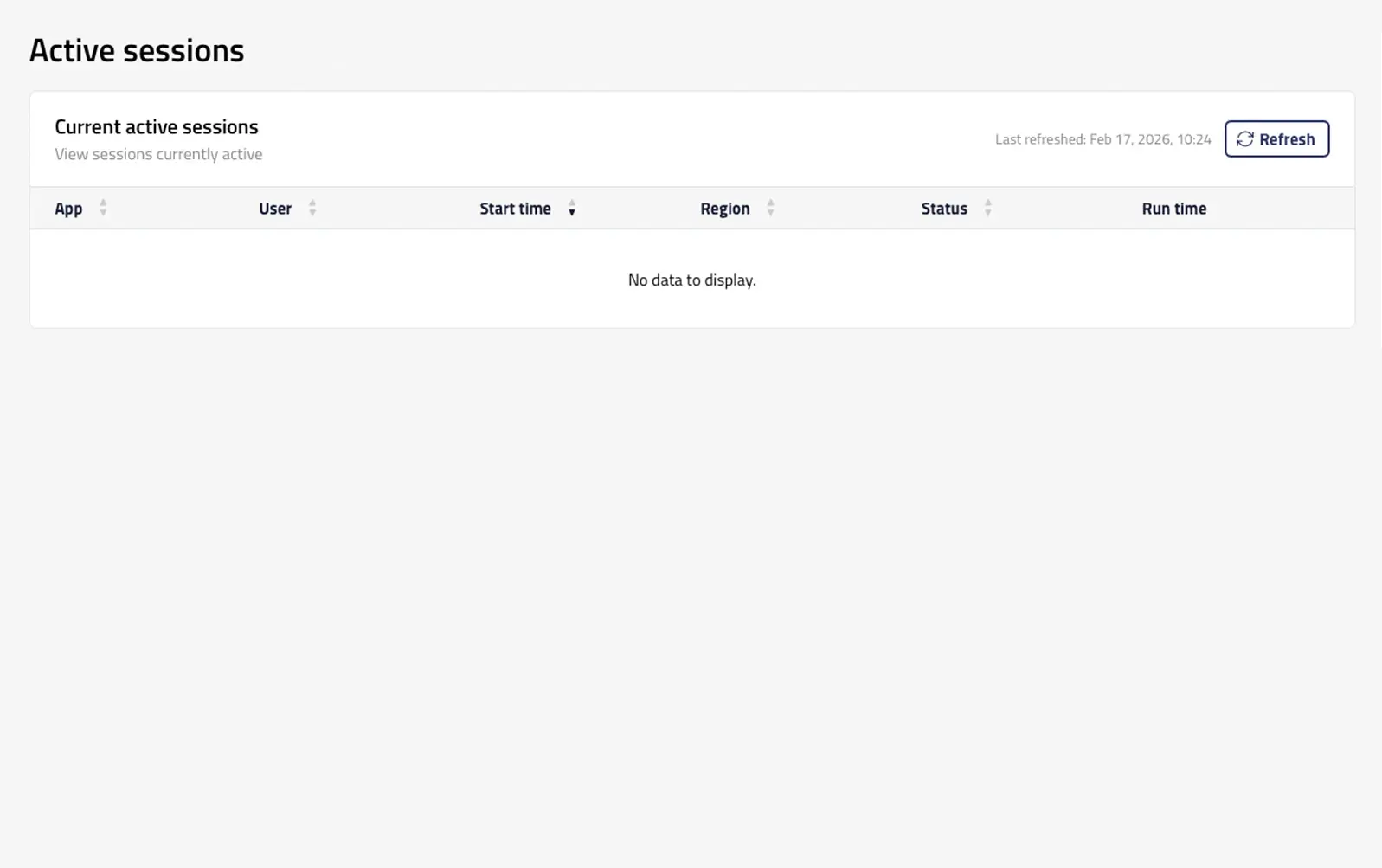
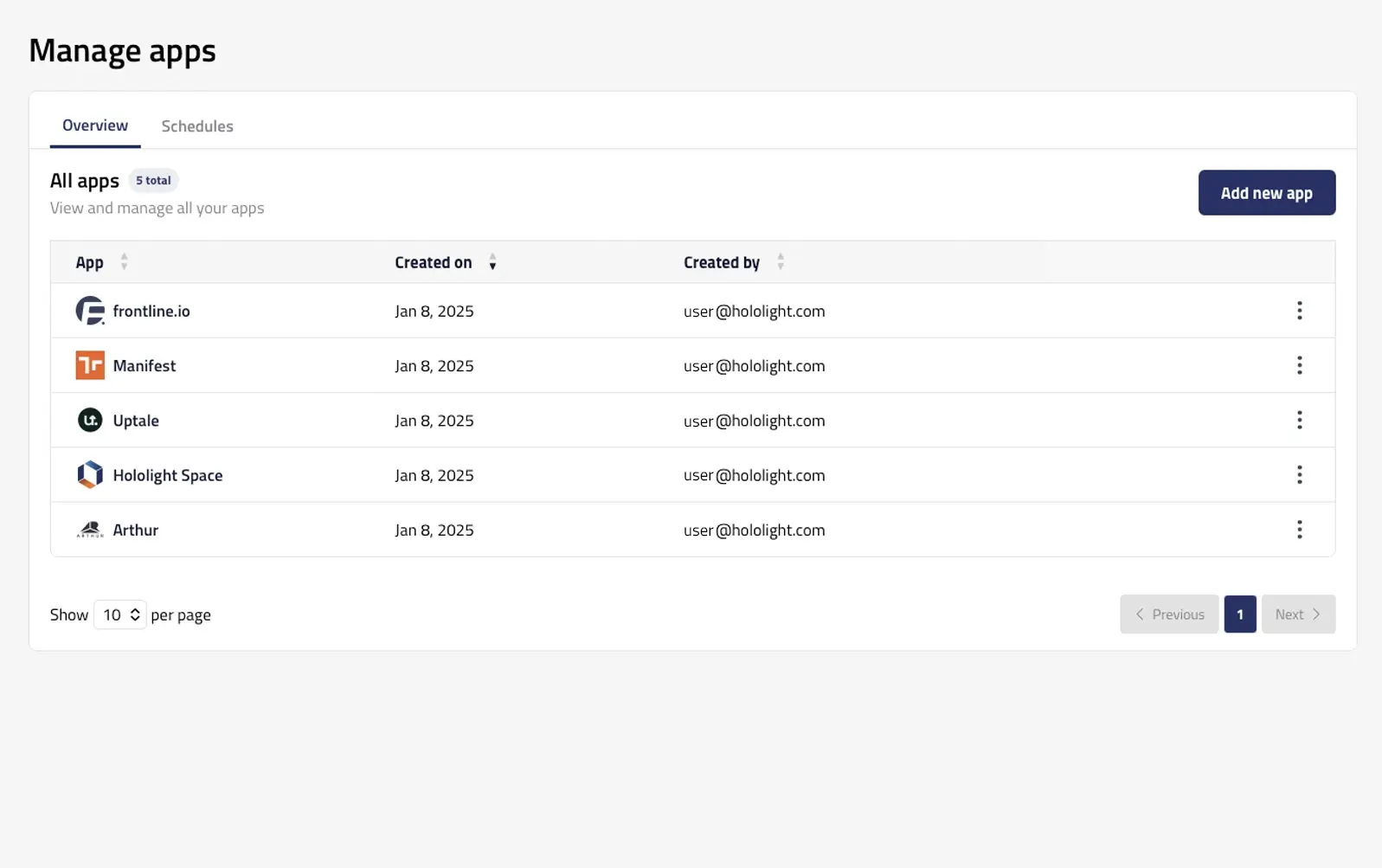
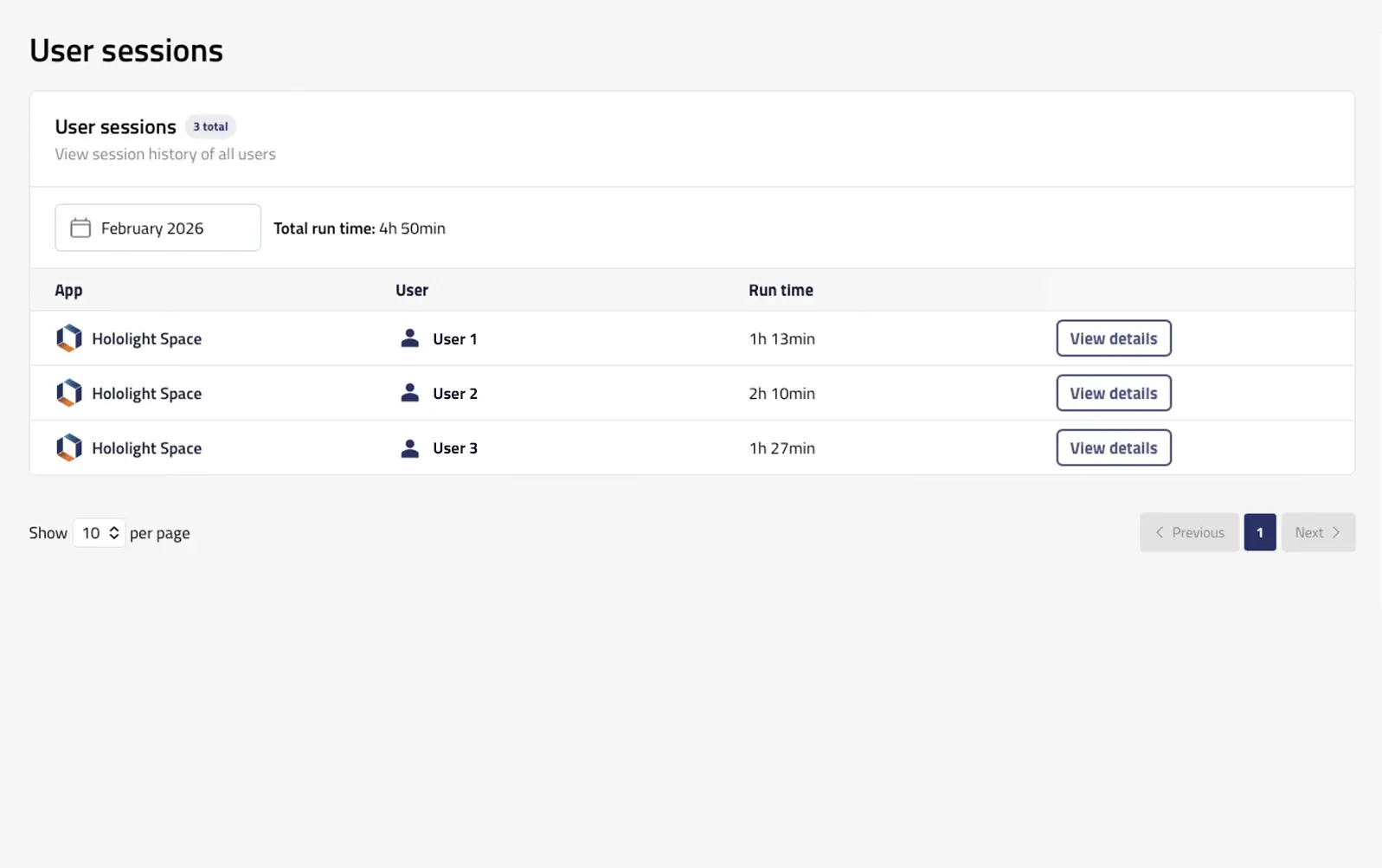
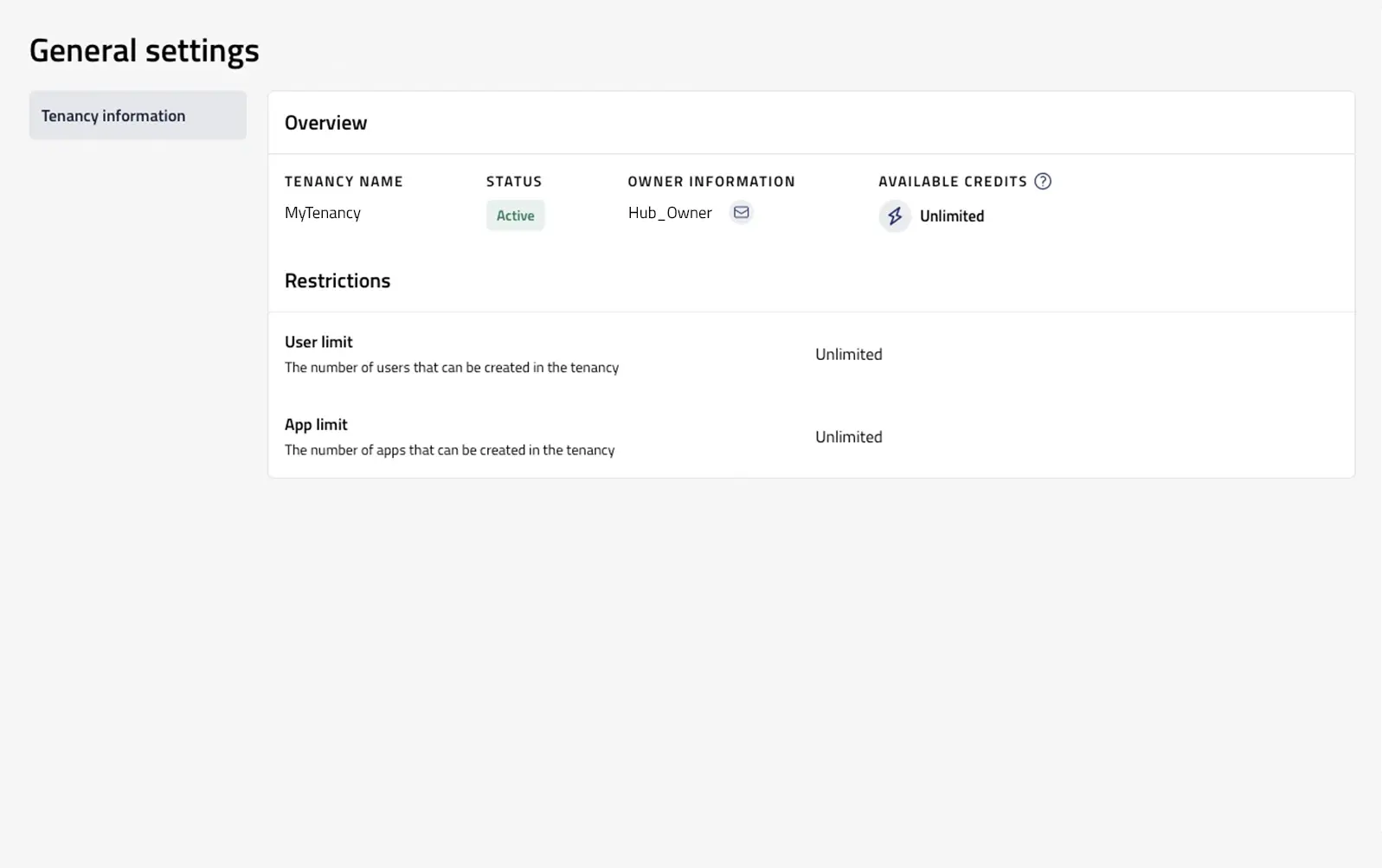
Manage applications, files, users, active sessions, and session history from a centralized administrative interface. Standardize deployments and updates without configuring every headset or workstation individually.
Easy user Access
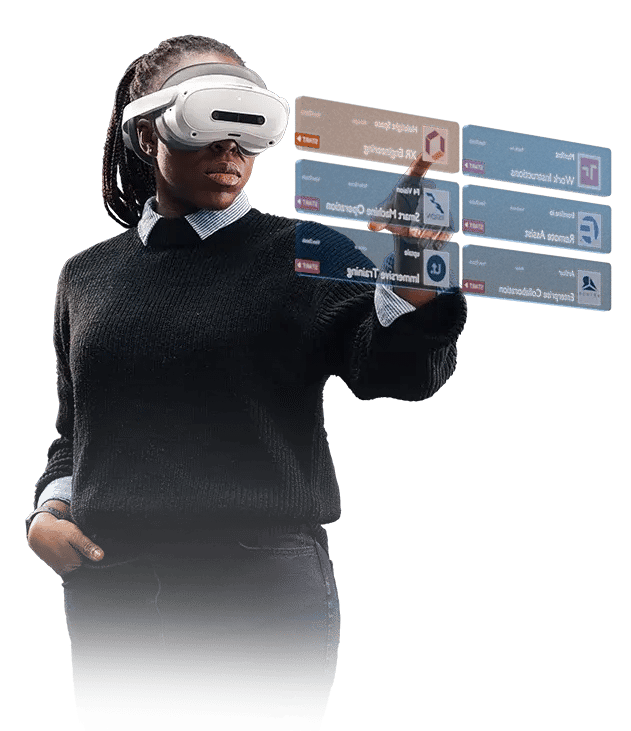
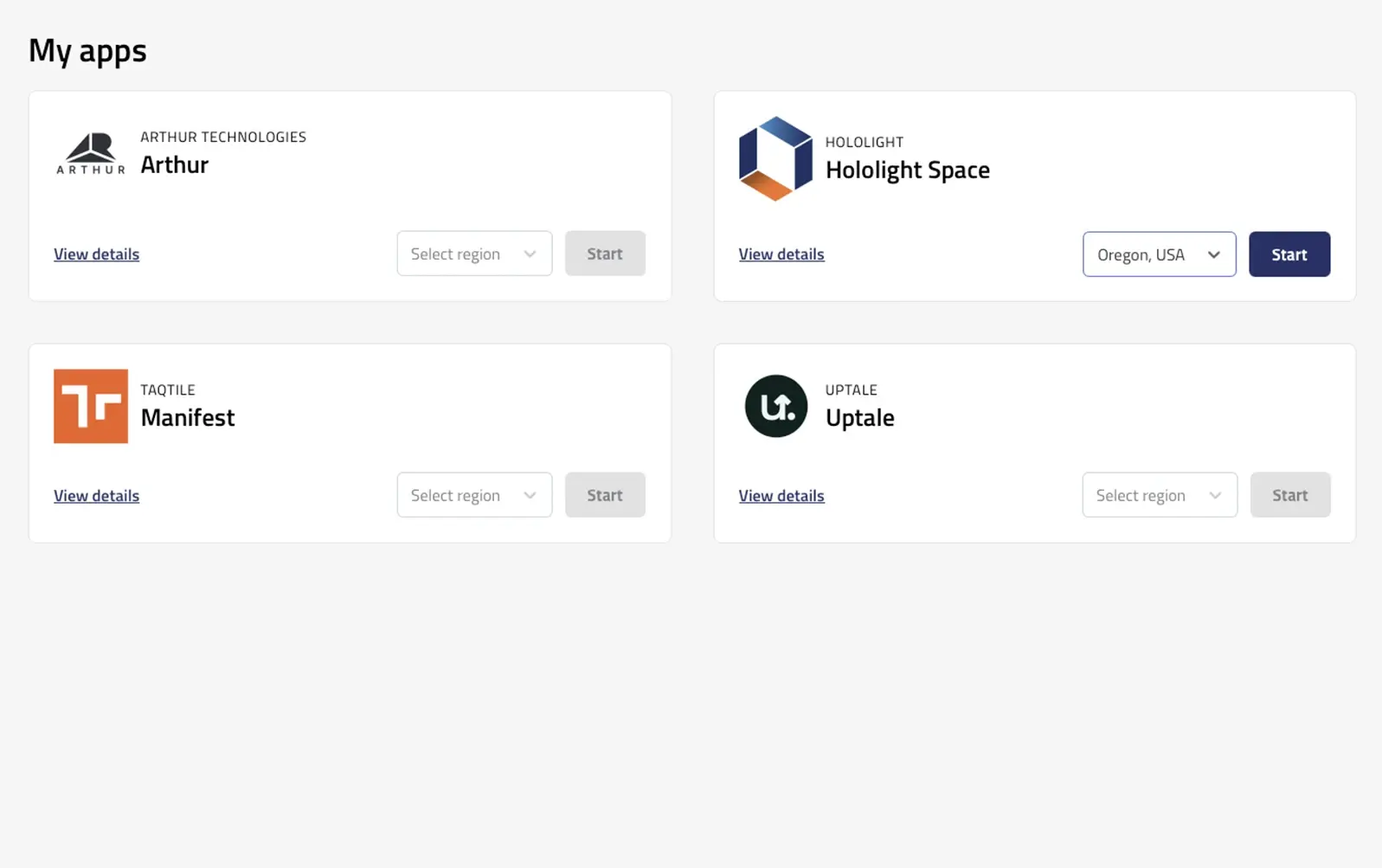
Give authorized users one-click access to the applications they need. User groups and controlled access help teams connect the right people to the right XR applications across supported devices.
APPS
Access all your XR Applications with One Click
Use Hololight Hub as the access layer for the applications your organization already relies on, the applications your developers build, and the applications available through the Hololight ecosystem.
In-House Developed Apps
Upload and host your in-house developed AR and VR apps on Hololight Hub.
XR apps from ISVs
Use AR andVR apps from our ISV catalogue, and cover your use cases.
Hololight 3D viewer
Visualize and work with your 3D data in AR and VR with the integrated 3D Viewer. The Viewer is one example of what the platform can deliver, not a separate operating model. The broader solution is Hololight Hub plus Hololight Stream: a managed foundation for delivering your own applications and scaling XR across teams and devices.
ADMIN VIEW
Preview the Hololight Hub Admin Interface

Next Level Scalable XR
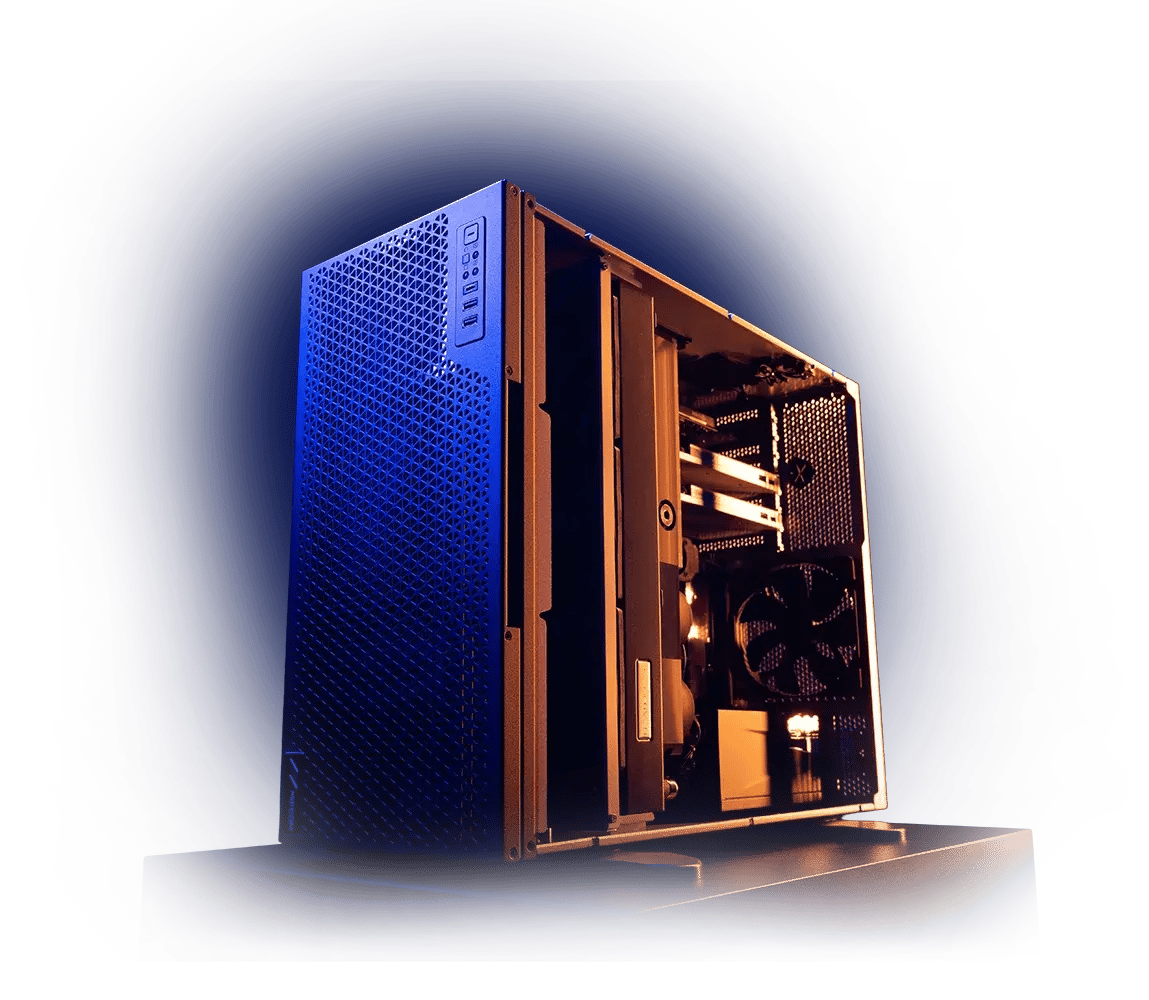
Hololight has partnered with MIFCOM to deliver a powerful, ready-to-deploy XR streaming infrastructure. By combining Hololight's streaming technology with MIFCOM's high-performance workstations, enterprises get a compact, water-cooled, office-ready setup — without the complexity of traditional server environments.
Deployments start with 8 concurrent XR user sessions and scale seamlessly by integrating multiple systems into a server rack, making it the ideal foundation for growing XR operations.
FAQ
Learn more about Hololight's Central Orchestration Platform
-
What is a spatial computing platform?
A spatial computing platform gives organizations the infrastructure to run, deliver, and manage immersive applications across AR and VR devices. Hololight combines pixel streaming technology with Hololight Hub so enterprise teams can deploy applications, manage user access, and oversee XR operations from one integrated solution.
-
How do Hololight Hub and Hololight Stream work together?
Hololight Stream is the pixel-streaming foundation that runs applications on servers, workstations, or centralized infrastructure and sends only the rendered visual output to the device. Hololight Hub is the orchestration layer that hosts applications, manages users and access, and provides operational oversight. Together, they form one enterprise XR streaming platform.
-
How does Hololight’s pixel streaming work?
Applications run on external infrastructure rather than relying on the headset for the full compute workload. Hololight streams pixels – the rendered visual output – to the device, so the application and underlying 3D data remain on the organization’s infrastructure while the headset functions as the display.
-
Can Hololight be deployed on-premises, in the cloud, or in an air-gapped environment?
Yes. Hololight supports cloud and on-premises deployment models, including air-gapped environments where organizations need to keep applications and data within their existing infrastructure. Your IT team can align the deployment with its architecture, policies, and operational requirements.
-
How does Hololight help organizations maintain their data security posture?
Hololight’s pixel-streaming architecture keeps application execution and 3D data on the organization’s infrastructure; only pixels are sent to the device. This helps organizations maintain their existing data security posture rather than requiring sensitive data to be stored or processed on a headset. Security controls remain part of the customer’s own infrastructure and policies.
-
Why is pixel streaming suitable for defense and aerospace use cases?
Defense and aerospace organizations can use pixel streaming to run demanding XR applications while keeping application execution and 3D data within their existing infrastructure. Hololight Hub adds centralized application management and controlled access, while Hololight Stream delivers the rendered output to supported devices.
-
What defense and aerospace applications can Hololight support?
Hololight provides the platform and streaming infrastructure for applications such as maintenance, sustainment, mission planning, situational awareness, operational preparation, and other workflows that rely on complex 3D data. Teams can host in-house and third-party applications in Hololight Hub and deliver them through Hololight Stream.
-
Can Hololight integrate with existing defense and aerospace systems?
Yes. Hololight Stream supports applications built with Unity 3D and Unreal Engine, as well as any OpenXR-compatible application. Teams can deploy the platform within their existing infrastructure, including on-premises and air-gapped environments, and stream supported applications to AR and VR devices through pixel streaming.
-
Why is Hololight an enterprise AR platform rather than a single-user streaming tool?
Enterprise XR requires more than a connection between one computer and one headset. Hololight provides centralized deployment, application hosting, user and access management, session visibility, and pixel streaming for teams operating across locations and devices.
-
Can Hololight work with Unity, Unreal Engine, Omniverse, VRED, and KeyShot?
Yes. Hololight Stream natively supports Unity 3D and Unreal Engine, and can also be used with third-party engines and applications including NVIDIA Omniverse, Autodesk VRED, and KeyShot. Hololight supports any OpenXR-compatible application. Hololight Hub provides the platform layer for hosting and delivering those applications.
-
Which devices are supported?
Supported devices include the Meta Quest family, PICO 4 Ultra Enterprise, HTC Vive family, Apple Vision Pro, Snap Spectacles, Apple iPad Pro, and Microsoft HoloLens 2 in maintenance mode. Hololight’s device-agnostic approach is designed to extend to new hardware as it enters the market; contact the Hololight team to confirm the devices and application requirements for your deployment.
CONTACT US
Discuss your use case with us today
Ready to evaluate a spatial computing platform for your organization? Talk with the Hololight team about your applications, devices, infrastructure, and deployment goals.