6 min read

XR Device Management vs. XR Streaming: What Enterprise Headset Fleets Actually Need

XR Device Management vs. XR Streaming: What Enterprise Headset Fleets Actually Need
10:31

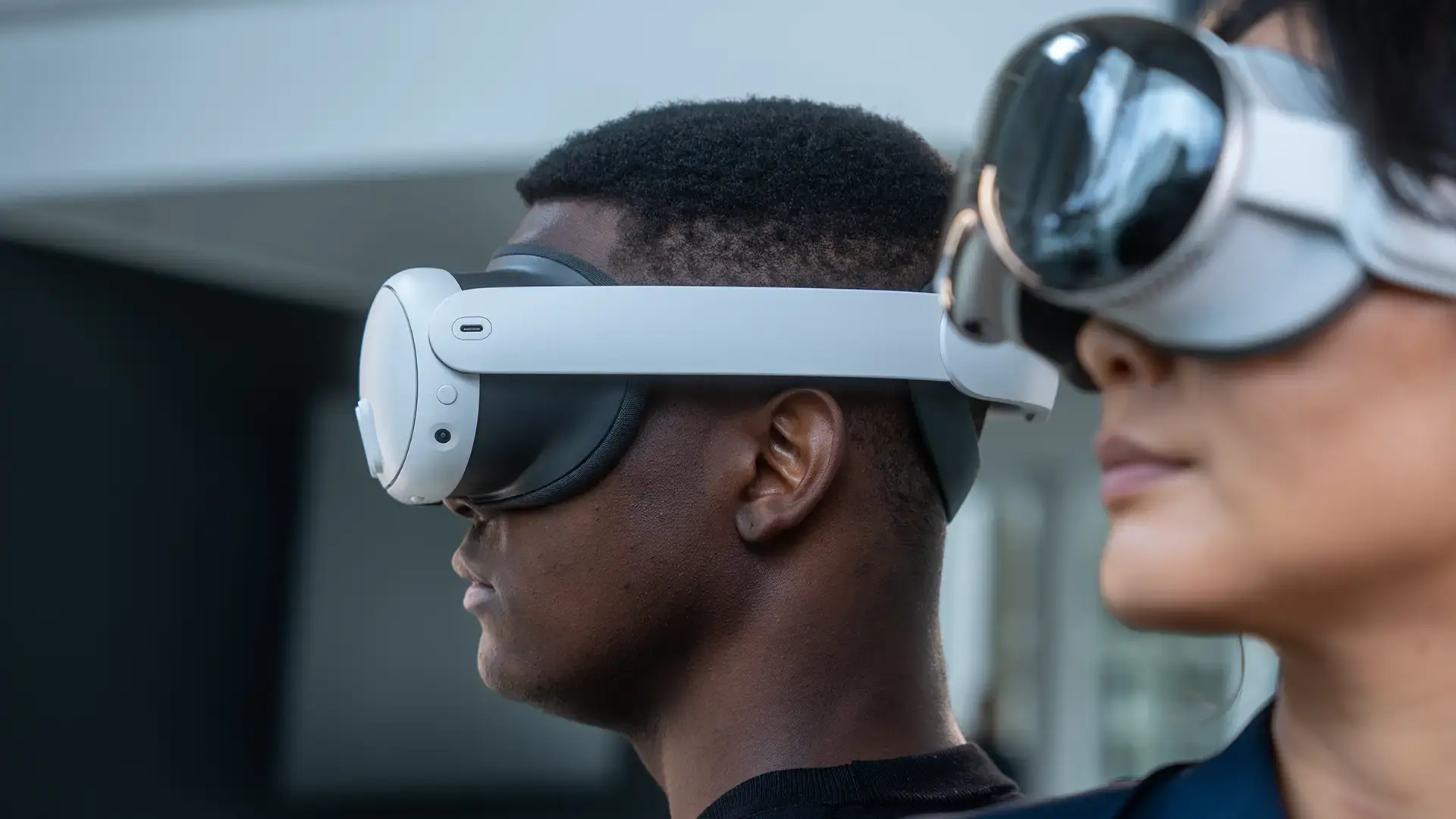
For most enterprise teams, XR device management means one thing: a way to control their headsets. Mobile device management (MDM) tools like ArborXR, ManageXR, and Microsoft Intune do exactly that, enrolling devices, applying settings, locking them down, and pushing out apps1,3,4.

But controlling the headset and running enterprise XR are two different jobs. An MDM tool manages the device; it does not run the application inside it. Once an XR program grows past a single standalone app, what decides whether XR actually works is not the device layer. It is the streaming infrastructure that keeps the application on server hardware and sends only the resulting pixels to the headset. That is where Hololight operates, and it is the part most programs underestimate.

This comparison weighs both layers across cost, setup, app execution, security, portability, and daily operations, using each vendor's own documentation. The short version: MDM manages the endpoint, Hololight is the infrastructure the XR runs on.

Here is what this comparison covers:

  • ■  What an MDM tool controls versus what pixel streaming controls
  • ■  Where enterprise XR applications run, and why that sets fidelity
  • ■  How pixel streaming keeps sensitive data off the headset
  • ■  Which layer keeps XR working as headset hardware changes

Below, we compare MDM device management against Hololight across the decisions that shape an enterprise XR rollout.

XR Device Management vs. XR Streaming at a Glance

Dimension MDM device management (ArborXR, ManageXR, Intune) Hololight
What it controls The headset as an endpoint: enrollment, settings, lockdown The application: where it runs and how it reaches the headset
Setup Enroll devices, apply settings, push packaged apps Application deployment and user access, no per-device setup
App execution Installs and launches apps; no added rendering power App runs on the server; streams only rendered pixels
Data security Endpoint policy: access controls, remote wipe App and 3D data stay in your infrastructure; nothing on the device
Device portability Manages a mix of enrolled headset models One app streams to all major supported headsets, no per-device rebuild
Daily operations Inventory, groups, kiosk mode, usage reporting App access, user management, session monitoring

Application Execution: Where the App Actually Runs

This is the distinction that gets lost when XR device management and XR streaming infrastructure are treated as one thing, and it is the one that matters most. An MDM platform can install, update, launch, restrict, or remove an app. It cannot give the headset more rendering power than its onboard chip has. When a program involves industrial CAD models, digital twins, or photorealistic scenes, standalone hardware hits a ceiling, and cutting the model down to fit it degrades the result.

Hololight Stream runs the app on a server, workstation, or other controlled infrastructure and streams only the rendered pixels to the headset. The headset does the displaying; the infrastructure does the computing. That is why a full-complexity model streams intact instead of being reduced to fit a mobile processor. No device-management setting can copy this, because it is an architecture, not a policy.

Data Security: Endpoint Policy vs. Pixel Streaming

Endpoint management and streaming architecture answer different security questions. An MDM policy can restrict access, enforce controls, and wipe a lost device. What it cannot decide is where the app processes and stores sensitive 3D data, because that follows from how the app runs, not how the device is governed.

With pixel streaming, the app runs inside the organization's own infrastructure and only the rendered image reaches the headset. Nothing sensitive is stored or processed on the device, and once the session ends nothing is left on it. The same architecture deploys on-premise and in air-gapped environments as a built-in capability, which is what defense and aerospace programs require. Sensitive data stays inside the infrastructure that already protects it, because it never has to leave.

Setup: Enrolling Devices vs. Standing Up XR

Getting started with MDM is fast. IT enrolls the headsets, sorts them into groups, applies settings, and pushes out packaged apps. ArborXR and ManageXR are both built around this flow1,3. If the goal is a room of configured, locked-down headsets, this is the shorter path.

Hololight works the other way around. The platform is set up once, then applications are uploaded to it and access is granted to users and groups. A user opens an application from their library, and a supported headset connects to the session. What that buys is what MDM setup cannot: a live XR session running an application the headset could never run on its own. One process configures devices. The other is what makes enterprise XR possible.

Device Portability: Managing a Fleet vs. Outlasting It

MDM platforms can manage a mix of headset models, but managing several devices is not the same as making one app run across them. A team can have every headset enrolled and still maintain a separate app build per platform.

Hololight builds on OpenXR and streams the application instead of installing it on the headset, which loosens the tie between an app and any single headset model, so one app streams to major supported headsets including Apple Vision Pro, Meta Quest, PICO, and Snap Spectacles. Enterprise fleets always change, so the real question is whether the team rebuilds the app or just points it at new endpoints. MDM governs the headsets you have today; streaming keeps the app working when new ones replace them.

Daily Operations: Endpoint Administration vs. XR Management

Day to day, MDM tools do endpoint work: inventory, device groups, remote settings, kiosk mode, app rollout, and usage reporting1,3. For keeping a fleet configured and compliant, it is the right tool.

Hololight Hub is the infrastructure the applications run on, handling app access, user management, and session monitoring, with Hololight Stream supplying the pixel streaming underneath.

The dividing question is simple: are you administering devices, or running XR? A mature program does the first with MDM and the second with Hololight.

Cost: MDM Licensing vs. Streaming Infrastructure

MDM tools price the way most SaaS does: per device, in tiers, with enterprise deals quoted individually2. At a small scale the cost is predictable and the entry point is low.

Hololight is infrastructure, and the cost depends on GPU capacity, how many people stream at once, and whether the deployment runs in the cloud, on-premise, or air-gapped. A fair comparison weighs all of it, not one line item. What that infrastructure buys is what no MDM tier can: the power to render a full-complexity model and stream it to a headset. The two are priced against different capabilities, not against each other.

Who Should Choose an MDM Device Management Tool

An MDM tool covers the need to control headsets. It fits teams whose XR footprint is a set of devices to enroll, configure, and keep compliant, not a scaling application program.

It fits especially well for:

  • ■  Small headset fleets and single-app deployments
  • ■  Training rooms, demo stations, and kiosk setups
  • ■  Enrolling, locking down, and updating devices at the endpoint
  • ■  Basic inventory and usage reporting across a mixed fleet

Who Should Choose Hololight Stream and Hub

Hololight is the right choice when the organization has to run demanding XR apps across users, sites, and headset types, not just manage the devices those apps run on. The fit is strongest for programs that have outgrown what a standalone headset can render.

It fits especially well for:

  • ■  Streaming full-complexity CAD models, digital twins, and photorealistic scenes
  • ■  Defense and aerospace, where sensitive data cannot reside on the headset
  • ■  Automotive and manufacturing design review across multiple sites
  • ■  XR programs that must survive repeated changes in headset hardware
  • ■  Central control of application access and sessions at enterprise scale

Most programs past the pilot stage need device management and streaming infrastructure, at different layers. Device management keeps the headsets in order. Hololight is the infrastructure that decides whether the XR is viable, secure, and durable, which is what determines whether the program works.

FAQ

MDM Manages the Headset; Hololight Runs the XR

XR device management and XR streaming get treated as one category, but they are not. MDM tools control the endpoint, and for that job they are the right choice. Hololight is the infrastructure the XR runs on. Applications stay on server hardware where they render at full complexity, only the resulting pixels reach the headset, and sensitive data never leaves the organization's infrastructure. XR keeps working as headsets come and go.

For any program moving past a pilot, managing the devices is the baseline; running the XR is what determines whether it holds up at scale.

See Where Streaming Fits in Your XR Stack

Sources

  1. 1.  ArborXR, "Manage XR Devices," official product materials. arborxr.com/product/manage-xr-devices
  2. 2.  ArborXR, "Pricing," official product materials. arborxr.com/pricing
  3. 3.  ManageXR, "Device Management," official product materials. managexr.com/product/device-management
  4. 4.  Microsoft Learn, "Managing AOSP devices with Microsoft Intune" (Meta Quest / VR headset enrollment). learn.microsoft.com/en-us/intune/intune-service/enrollment/android-aosp-corporate-owned-userless-enroll
XR Device Management vs. XR Streaming: What Enterprise Headset Fleets Actually Need

XR Device Management vs. XR Streaming: What Enterprise Headset Fleets Actually Need

For most enterprise teams, XR device management means one thing: a way to control their headsets. Mobile device management (MDM) tools like ArborXR,...

See Updates
Snap Specs for Enterprise: What Launched in Los Angeles

Snap Specs for Enterprise: What Launched in Los Angeles

On September 16, Snap gave the first full public showing of its Specs augmented reality glasses at a launch event in Los Angeles. Alongside the...

See Updates
HMS SiNGRAY G2 vs. Microsoft HoloLens 2

HMS SiNGRAY G2 vs. Microsoft HoloLens 2

In 2026, enterprise teams replacing aging AR hardware face a question the market has not fully answered: is the HMS SiNGRAY G2 a credible successor...

See Updates