
Hololight XR Streaming for NVIDIA RTX GPUs, Omniverse, and Project Aurora
OPTIMIZED FOR NVIDIA
Built to Get the Most Out of Your NVIDIA RTX GPUs
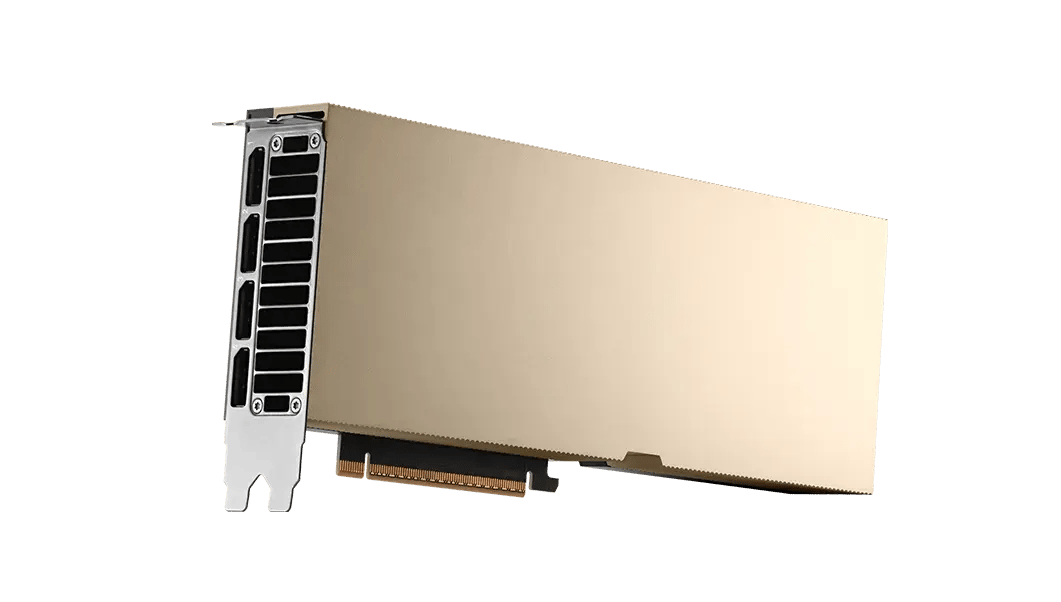
Hololight's XR pixel streaming technology is fully optimized for NVIDIA RTX GPUs, the recommended and validated hardware for every Hololight deployment. Your GPU renders the full application server-side, and only encrypted pixels are streamed to the headset, so teams already invested in NVIDIA infrastructure get high-fidelity XR with no compromise and no data leaving their environment.
High-end, ray-traced rendering.
Ray tracing, realistic lighting, reflections, and other demanding effects run on your external NVIDIA RTX hardware and stream in real time. With DirectX 12 support, photorealistic ray-traced scenes reach the headset exactly as intended, regardless of the device's own processing limits.
Native NVIDIA Omniverse integration.
Hololight integrates directly with NVIDIA Omniverse. Using Hololight Hub together with Omniverse's OpenUSD data, teams stream complex models and digital twins to AR and VR devices in high fidelity, and Omniverse users can access and manage their USD files directly in the streaming workflow.
Runs on your existing NVIDIA infrastructure.
Hololight runs on NVIDIA workstations and servers and deploys on your own infrastructure, in the cloud, or in a fully air-gapped environment. If your organization already runs NVIDIA GPUs, you can point Hololight at that hardware directly, with no separate rendering stack to build.
Validated across the NVIDIA RTX range.
Hololight is tested and validated on NVIDIA RTX GPUs across the professional range, from the NVIDIA RTX 2070 and Quadro RTX 4000 up to the RTX 5090 and RTX Pro 6000 Blackwell, matched to the target headset and application complexity.
Because the architecture is built on open standards rather than a single vendor's stack, your NVIDIA investment is never a lock-in, so your infrastructure choices stay open as your needs evolve.

NVIDIA Omniverse™ is a platform of APIs, SDKs, and services that enable developers to easily integrate Universal Scene Description (OpenUSD) and NVIDIA RTX™ rendering technologies into existing software tools and simulation workflows for building AI systems.
Hololight enables immersive XR experiences with NVIDIA Omniverse by bringing 3D scene data into AR and VR with high fidelity and real-time collaboration. Using Hololight Hub together with Omniverse’s OpenUSD-based data, teams can stream complex models and digital twins to XR devices without the limitations of headset compute, unlocking design reviews, visualization, and collaboration workflows at scale. This integration helps enterprises overcome performance bottlenecks and extend Omniverse content into immersive environments using Hololight’s XR streaming foundation.
PROJECT AURORA
How NVIDIA and Hololight enable XR and AI for enterprises
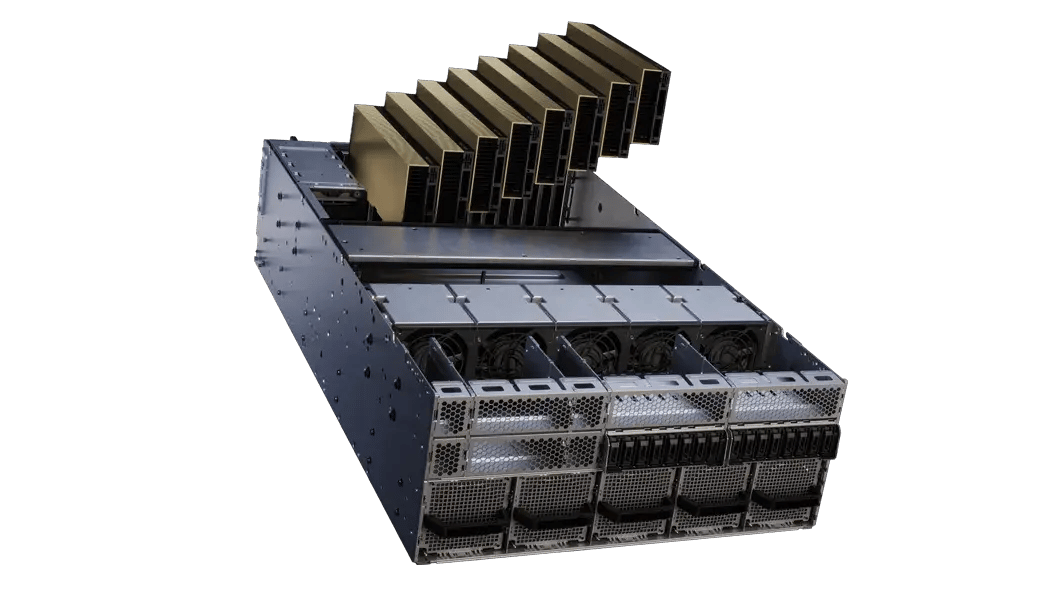
NVIDIA Project Aurora delivers a fully customized infrastructure stack for enterprises, tailored specifically to their needs. It provides the servers, GPUs, system setup and services needed to run demanding XR or AI applications, based on your requirements. The result is a ready-to-use environment that removes the usual hardware and integration effort.
Hololight Stream and Hololight Hub complement this base stack by enabling secure, device agnostic XR streaming and adding easy XR app management. Hololight Stream renders XR applications on the secure infrastructure and only streams pixels to AR/VR headsets, so no data ever leaves your controlled environment. Hololight Hub provides one click access to all your XR applications and simplifies app distribution and user management.
Together, NVIDIA and Hololight give organizations a simple and secure way to adopt XR at scale. Customers get a turnkey solution, enabling teams to use XR and AI supported workflows seamlessly.
Learn more about the Most Powerful XR Ecosystem and Streaming Technology
Discuss Your White-Glove, Purpose-Built Platform
for AI + XR
NVIDIA Project Aurora makes it easy to deploy enterprise-grade XR experiences on on-premise networks.
Contact Aurora_Outreach@nvidia.com today to discover how we can support your XR and AI needs.
Connect with René Peters or Deborah Hoffler to dive deeper into NVIDIA Project Aurora’s capabilities and discuss your technical requirements in detail:
REAL SOLUTIONS
All-in-One XR powered by NVIDIA and Hololight
Discover how NVIDIA Project Aurora and Hololight Hub combine high-performance infrastructure and centralized XR management into one seamless solution for enterprise-scale XR deployment. Learn how this partnership simplifies complexity, enhances performance, and builds a scalable foundation for immersive applications across industries.
White paper Download
FAQ
Technical Requirements and FAQs
-
Is Hololight optimized for NVIDIA GPUs?
Yes. Hololight's XR pixel streaming technology is fully optimized for NVIDIA RTX and RTX-class professional GPUs, which are the recommended and validated hardware for Hololight deployments. Hololight also integrates directly with NVIDIA Omniverse and NVIDIA Project Aurora, so teams already invested in NVIDIA infrastructure get high-fidelity, ray-traced rendering with no compromise.
-
Do I need NVIDIA GPUs to use Hololight?
No. Hololight is fully optimized for NVIDIA RTX GPUs and recommends them for enterprise deployments, but because the architecture is built on open standards rather than tied to a single vendor's stack, it is not locked to one GPU vendor. That protects your infrastructure choices over time.
-
Is OpenXR tied to a specific GPU brand?
No. OpenXR is an open, vendor-neutral standard from the Khronos Group. Supporting OpenXR is about compatibility across headsets and applications, not about GPU vendor. Hololight is OpenXR-native and fully optimized for NVIDIA RTX rendering.
-
Can Hololight stream ray-traced NVIDIA RTX rendering and high-end visuals?
Yes. Rendering runs on your NVIDIA RTX hardware, so ray tracing, realistic lighting, reflections, and other demanding effects stream in real time to the headset with no loss of fidelity. Because the headset only displays the final image, even the most graphically intensive scenes look exactly as intended, regardless of the device's own processing limits.
-
Does Hololight work with NVIDIA Omniverse?
Yes. Hololight integrates directly with NVIDIA Omniverse. Using Hololight Hub together with Omniverse's OpenUSD data, teams can stream complex models and digital twins to AR and VR devices in high fidelity, without the compute limits of the headset. Omniverse users can access and manage their USD files directly in the streaming workflow.
-
What is NVIDIA Project Aurora, and how does Hololight fit in?
NVIDIA Project Aurora is a purpose-built infrastructure stack that provides the servers, GPUs, setup, and services needed to run demanding XR and AI workloads. Hololight Stream and Hololight Hub complement it by rendering XR applications on that infrastructure and streaming only encrypted pixels to the headset, so no data ever leaves your environment. Together they give enterprises a turnkey, secure way to adopt XR at scale.
-
Can I run Hololight on my existing NVIDIA infrastructure?
Yes. Hololight runs on NVIDIA workstations and servers and deploys on your own infrastructure, in the cloud, or in a fully air-gapped environment. If your organization already runs NVIDIA GPUs, you can point Hololight at that hardware directly, with no separate rendering stack to build.
EXPERT TALK
XR and AI Supercharged: Scaling Reality for Enterprises
Design Reviews
- True-to-scale evaluation of complex CAD models
- Photorealistic visualization of surfaces, materials, and proportions
- Early validation of design intent before physical prototypes
- Collaborative reviews with design, engineering, and management
- Reduced reliance on physical mockups and clay models
Collaboration and Alignment
- Shared XR reviews across locations and departments
- Alignment between design, engineering, and management
- Inclusion of external partners and suppliers
- Reduced travel for design and decision meetings
- Faster consensus through spatial understanding
Presentation and Decision Support
- Immersive presentations for internal stakeholders
- Clear communication of design concepts and variants
- Support for milestone and gate reviews
- Improved understanding for non-technical audiences
- Consistent visualization quality across devices
FAQ
Learn more about XR Streaming for Enterprises
-
Does Hololight support VR streaming?
Yes. Hololight's XR streaming technology supports VR streaming as well as AR streaming. For both, rendering happens on powerful backend hardware, so the headsets receive high-quality visuals without local processing.
-
Which XR streaming technology does Hololight use?
Hololight has developed theri own XR streaming technology. It is a powerful pixel streaming solution for augmented and virtual reality apps, optimized for the usage in industrial and enterprise environments. XR Applications can be streamed via Wifi, 5G or Lifi networks.
-
Why do I need to stream AR and VR applications?
Streaming removes the need for data preparation, avoids performance bottlenecks on headsets, supports more complex models, and ensures no sensitive data is stored on the device.
Typically, the performance of mobile AR/VR devices is limited, as is the size and complexity of industrial 3D content (e.g. machines, cars, airplanes). To allow users to see all the details of their 3D objects and avoid time-consuming data preparation, lower level of detail (LoD) or polygon reduction, Hololight provides unique integrated streaming technology. This way, XR applications run on more powerful local servers or in the cloud and pixelstream content in real time to the XR device. Because the data is stored on IT-managed servers, sensitive data stays protected, increasing data security.
AR/VR Streaming is also essential for future-proofing your enterprise XR strategy, because it decouples your applications from specific headset hardware. As new devices enter the market or existing ones reach end of life, your XR workflows continue to run unchanged on powerful backend systems.
-
How secure is XR streaming for enterprise use?
XR streaming keeps applications and data on your IT infrastructure, while only the rendered images are streamed to the AR/VR headset. This means sensitive data is not stored or processed on the end device itself.
This architecture is well suited for enterprise and industrial environments and can also be applied in highly regulated or sensitive contexts, such as the defense sector, where strict security requirements apply.
Learn more on our page about Secure XR Streaming in Defense.
-
How do I use Hololight's XR Streaming technology in my company?
Hololight Stream can be used in two ways:
Developers integrate the Hololight Stream SDK to make an AR or VR application streamable. The Hololight Stream SDK is free to explore with full functionality. To remove the watermark and use it commercially, reach out to our team.
End users can install Hololight Stream Runtime once to stream compatible OpenXR applications – such as Autodesk VRED, KeyShot, blender and many more – to a wide range of AR and VR devices. You can download a free trial for Hololight Stream Runtime here.